Nov 16, 2009
How do you raise awareness when you do not know, in fact, that you have been compromised or that there is something in your software or hardware that can be used against you?
The Public Record
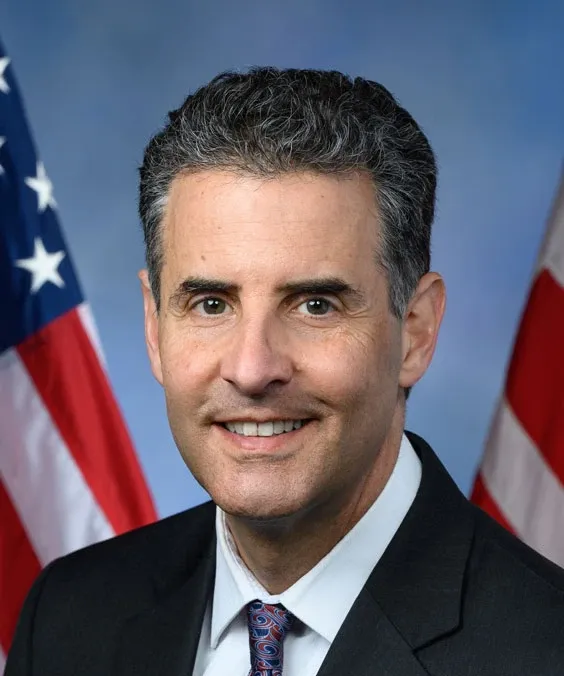
Ben Cardin is a United States Senator from Maryland, serving since January 4, 2007. A member of the Democratic Party, he has focused on issues such as healthcare, education, and civil rights throughout his political career. Prior to his tenure in the Senate, Cardin served in the U.S. House of Representatives from January 3, 1987, to January 3, 2007, where he was known for his work on tax policy and social security reform.
How do you raise awareness when you do not know, in fact, that you have been compromised or that there is something in your software or hardware that can be used against you?
We'll take you up on your offer on the EITI and ways that we could be helpful in dealing with international institutions to leverage their importance to transparency in the participating countries.
Are you satisfied that the current implementation of these countermeasures is consistent with our privacy laws?
I think our first line of attack is to try to get the right intelligence information and develop the technologies in order to counter what those who want to attack us want to do.
I really do think we've had, for a long period of time, a serious problem of Americans saving.
80 percent against an attack on our country would be, I think, unacceptable.
We are vulnerable from terrorist attacks against our country using cyberspace.
I believe that it would be found to be unconstitutional because under the Tenth Amendment, Congress doesn't have the authority to commandeer State legislatures.
We have received 28 letters in support of S. 1816, the Chesapeake Clean Water and Ecosystem Restoration Act.
The bottom line is the Bay is in trouble today, and we have got to do a better job.
Let me point out, we very much want the States to be able to act and to use the tools that are available.
A trading program makes a lot of sense for the Chesapeake. I think we will be able to deliver better results, cheaper and faster.
I applaud you for your leadership over the years, and it is going to take, I think, some additional efforts now to get us to the next plateau.
I particularly want to thank Senator Crapo for his cooperation in scheduling a Monday hearing.
It is certainly my intent that there would be updates on the standards based upon science.
I want to thank our witnesses for coming before the Water and Wildlife subcommittee today to discuss the need to re-authorize the Chesapeake Bay Program and finally formally authorize the Gulf of Mexico Program.
The legislation authorizes an Interstate Nutrient Trading Program to achieve reductions in nitrogens and phosphorus in the Bay.
Is that something that can be agreed to? Or will it require a more formal relationship between Mexico and the United States?
I have always been impressed by the States that do not border the Chesapeake Bay, with their commitment and understanding how important their freshwater supply to the Bay is.
I wanted you to go through that because, Senator Crapo, we are very proud of Governor O'Malley's management system that really holds departments accountable for certain specific results.
Politicians like Ben Cardin