Apr 20, 2009
Well, continuing this line, because I think this is really the critical part, we are trying to get it right on sharing of information.
The Public Record
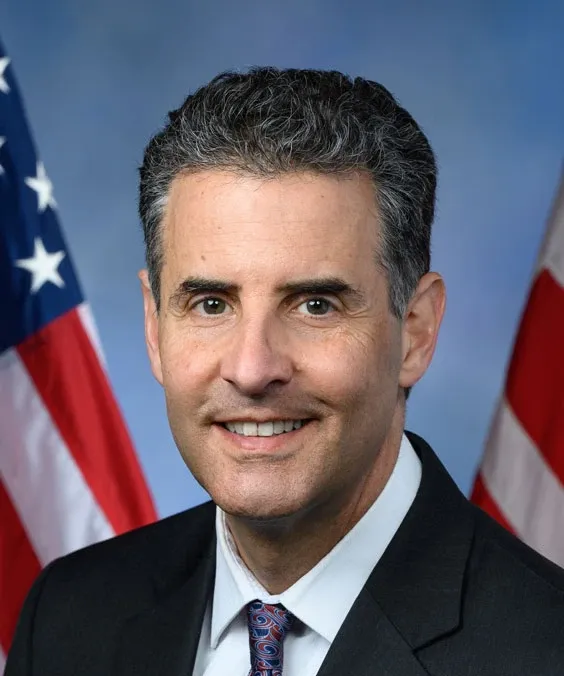
Ben Cardin is a United States Senator from Maryland, serving since January 4, 2007. A member of the Democratic Party, he has focused on issues such as healthcare, education, and civil rights throughout his political career. Prior to his tenure in the Senate, Cardin served in the U.S. House of Representatives from January 3, 1987, to January 3, 2007, where he was known for his work on tax policy and social security reform.
Well, continuing this line, because I think this is really the critical part, we are trying to get it right on sharing of information.
We are at a D in our grading system and that is not acceptable. We are in poor quality. That is not acceptable.
We want it to be based upon good science. We want it to be fair. We do want to create an undue burden on our economy.
It would be good to have clear direction in statute on these types of issues.
I would be concerned that if we are not more specific in statute, we could fall back to a time where it may not be as high a priority.
I think it is an opportunity perhaps for us to institutionalize a better public transparency on how decisions are made.
There is a new administration in town. They certainly have a different priority as it relates to the environment.
We need to have a fair program to all the activities that are dealing with the pollutants.
I agree with Mr. Hutchison's point, that it has to be equal to the efforts being made by other sources of bay nutrients.
Without objection, we will include the report in our committee record for today's hearing.
I do think that increased subsidies--that is not the right word--cost-share programs are appropriate.
I could not agree with you more about your statement that Maryland farmers are willing to do more to protect and restore the Chesapeake Bay if the programs are reasonable, economically feasible, based on sound science, and equal to the…
We need to think beyond just the current structure as to what structure will give you the tools you need to accomplish the results without imposing undue burdens on the private sector.
The good news on the Chesapeake Bay is that there is broad consensus that we have got to take this to a new level.
I do think with a new administration, there are always new opportunities. We should try to take advantage of this.
I think we really need to think out of just the current structure because it was well-intended, but I am not sure it gives us the effect of monitoring to reach the goals that we set and that you are going to need a stronger framework to…
Congressman Connolly raises a good point about the fact that you are dealing with so many different local governments within the Chesapeake Bay watershed.
To me, this is one of the low-hanging fruit areas that we should be able to do much more effective work in and it can be done in a cost-effective manner.
What can you do in working with local governments to have a more effective way of dealing with the stormwater issues affecting the bay?
I understand that you have been on your current job for, you said, 30 days and that the Obama administration is still in its first 100 days.
As you point out, we are not going to meet the goals set out in the 2000 agreement by 2010.
I am glad you mentioned No Child Left Inside. Of course, Congressman Sarbanes has been the leader on that issue.
Politicians like Ben Cardin