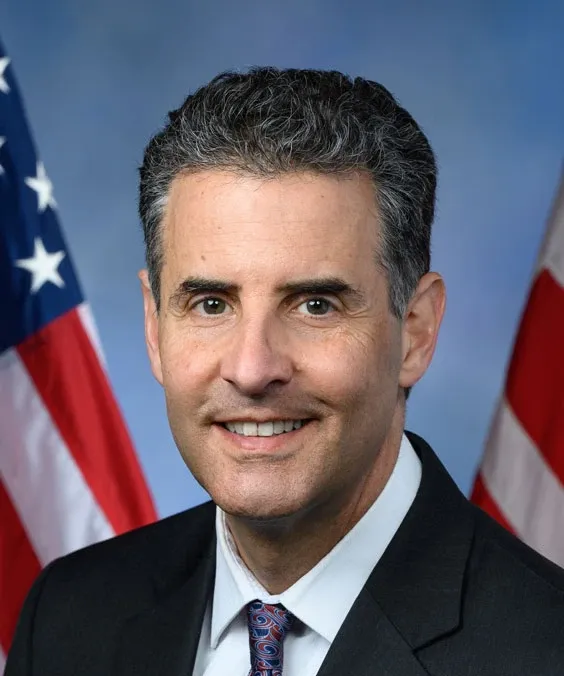
Ben Cardin
The Public Record
Ben Cardin is a United States Senator from Maryland, serving since January 4, 2007. A member of the Democratic Party, he has focused on issues such as healthcare, education, and civil rights throughout his political career. Prior to his tenure in the Senate, Cardin served in the U.S. House of Representatives from January 3, 1987, to January 3, 2007, where he was known for his work on tax policy and social security reform.
Oct 27, 2009
Adaptation plans are absolutely necessary for public health, economic and environmental reasons.
Oct 27, 2009
The Clean Energy Jobs and American Power Act provides that needed structure, clarifying responsibilities, the framework for the data and assessments that need to be completed, and funding to get this work underway.
Oct 27, 2009
We need to start making different decisions now to make sure we are targeting our investments smartly.
Oct 27, 2009
Adaptation. This is word that is the shorthand for the changes we, as a society, need to make to be better prepared for the changes that we are and will continue to experience as a result of climate change.
Oct 27, 2009
Chairman Boxer, I know I speak for the Members of the Committee, thank you for the very informative hearing that has been put together today.
Oct 27, 2009
Climate change framework that will unleash the power of American capitalism and the innovative genius of American entrepreneurs.
Oct 27, 2009
The direct threat that our energy policies pose to our national security, including climate change and sea level increases.
Oct 27, 2009
We have to do a better job with nuclear. We need the whole package for the sake of our national security.
Oct 27, 2009
We can do everything that we can to deal with oil, we just do not have enough of it.
Oct 27, 2009
That is what, I think, is the most exciting thing about this bill, Madam Chair, is that we unleash the American economy with predictability.
Oct 27, 2009
This bill, I think, in a way does change it. Not in a way. It does change it, because it gives a predictable return for energy sources that have a friendlier carbon footprint.
Oct 27, 2009
One of the reasons we have been unable to get investors in nuclear energy is because of the uncertainty.
Oct 27, 2009
Predictability is so important for investment. Industry knows how to adjust if they know what to expect.
Oct 27, 2009
I agree with Senator Voinovich that it would be far better than to try to do deal with this through the WTO.
Oct 27, 2009
We need to set reasonable targets in Copenhagen, we need to have a mechanism to achieve those targets.
Oct 27, 2009
Well, Madam Chair, let me just thank all of our witnesses that are here, and I am really looking forward to today's hearing.
Oct 26, 2009
Transportation represents 30 percent of our greenhouse gas emissions and 60 or 70 percent of our oil use.
Oct 26, 2009
I thank you for your public service, taking on the incredibly important jobs that you are taking on in the Obama administration.
Oct 26, 2009
This bill recognizes the role transit will play in reducing vehicle emissions.
Oct 26, 2009
I am confident that the work my colleagues and I have put into the legislation we are considering today will provide the legal framework, business incentives and consumer protections necessary to move America toward a more prosperous…
Politicians like Ben Cardin