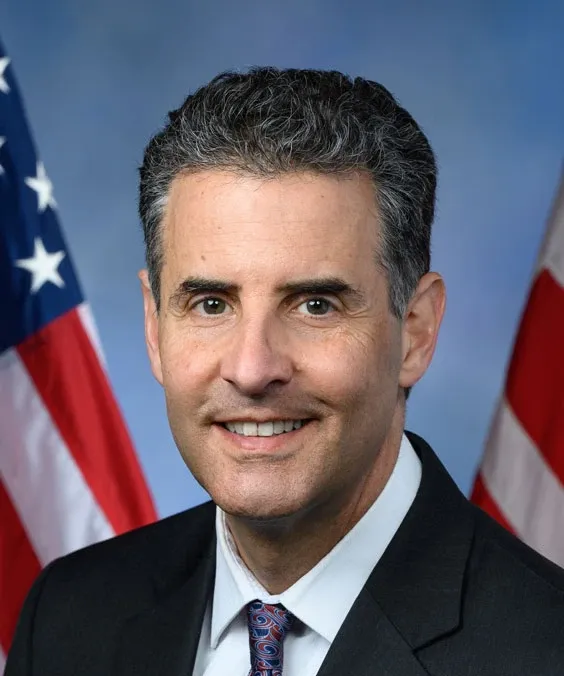
Ben Cardin
The Public Record
Ben Cardin is a United States Senator from Maryland, serving since January 4, 2007. A member of the Democratic Party, he has focused on issues such as healthcare, education, and civil rights throughout his political career. Prior to his tenure in the Senate, Cardin served in the U.S. House of Representatives from January 3, 1987, to January 3, 2007, where he was known for his work on tax policy and social security reform.
Apr 19, 2010
We need to figure out how we can make sure that our military are fully empowered, all voters are fully empowered during the 2010 elections.
Apr 19, 2010
It is one thing to make sure that people are not discriminated against. It is another to pressure banks to make loans that are not sound.
Apr 19, 2010
I have tried to work with members of the Judiciary Committee to increase the information made available to the FBI.
Apr 19, 2010
The number of people who are fraudulently voting is minuscule compared to those who are eligible to vote.
Apr 19, 2010
It is an important institution, and it is one that should be in the forefront of advocacy for the civil rights of all Americans.
Apr 19, 2010
My request is that if you believe you need stronger tools, please let us know.
Apr 19, 2010
This should be a national priority, to make sure that it is clear that we have the capacity of the Federal Government to support our States.
Apr 19, 2010
I would hope that we would try to be empowering people to vote who are eligible to vote.
Apr 19, 2010
I think that the Chairman is right to recognize that politics is inappropriate in the Department and politics can be evident from both sides of the aisle, certainly, and we need to be concerned.
Apr 19, 2010
Well, that is unfortunately consistent with the information that I think each of us has observed in our own communities, and it is clearly a circumstance that we need to take aggressive action, and we thank you for the manner in which you…
Apr 19, 2010
The segregation of people--the unnecessary segregation of people with disabilities in institutions is equally illegal and must be stemmed.
Apr 19, 2010
The Southern Poverty Law Center has supplied information to this Committee that shows an increase in hate crime activities.
Apr 19, 2010
I share your concern about what we can do to help, and it is frustrating that we cannot move faster to provide the opportunities for all the people in this country.
Apr 19, 2010
This does not bode well for an administration that has promised to be open and transparent, it seems to me.
Apr 19, 2010
I cannot--you know, civil rights principles need to be professionally analyzed.
Apr 13, 2010
I would just urge you--this is an issue that is difficult for us to defend when we do not have anything to defend, we do not have a policy to defend.
Apr 13, 2010
If we do not put sunlight on it, if we do not open this process up, if we do not engage the international community, and if we do not engage the international community on how we are going to deal with detainees in the future, this war is…
Apr 13, 2010
Let me just repeat the 9/11 Commission's recommendation that the United States engage its friends and develop a common coalition approach toward detention and humane treatment of captured terrorists.
Apr 13, 2010
When should we expect some specifics as to how these procedures are being handled?
Mar 23, 2010
I would argue as a taxpayer that for that $40 billion a year it would be entirely appropriate for us to have a policy statement that says this is how we want our money to be used and our roads to be built.
Politicians like Ben Cardin