Jun 23, 2011
I also think it also fulfills a moral obligation we have to be proud of this global effort to end hunger.
The Public Record
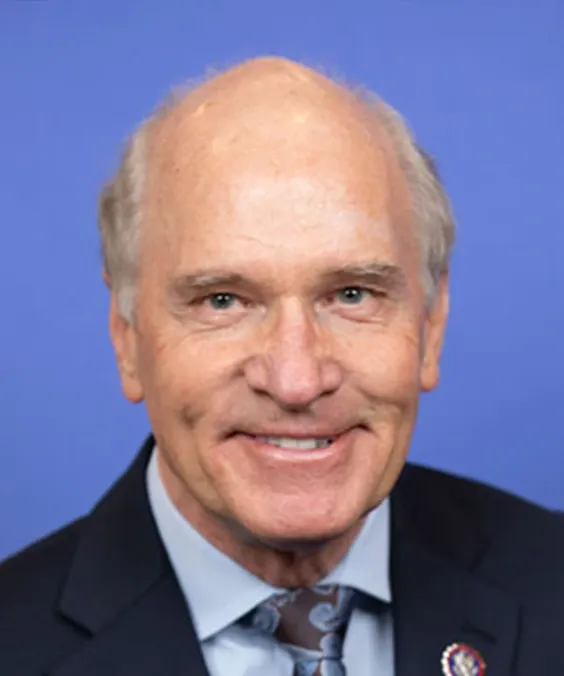
Jim McGovern is a Democratic member of the United States House of Representatives, representing Massachusetts's 2nd congressional district since 1997. He has been a strong advocate for issues such as hunger, human rights, and healthcare. Throughout his tenure, McGovern has focused on policies aimed at reducing food insecurity and promoting social justice. He has also been involved in various legislative efforts to improve access to healthcare for all Americans.
I also think it also fulfills a moral obligation we have to be proud of this global effort to end hunger.
I think a lot of my colleagues on both sides of the aisle don't quite appreciate the benefits of these programs.
I think the Feed the Future Initiative is a good initiative because it connects all the dots and comes up with a comprehensive plan to not only deal with the issue of hunger but to deal with the issue of sustainability.
I care very deeply about our food aid programs, and I appreciate very much both USDA and USAID for a lot of the incredible work that you are doing as we speak.
This is a global security crisis. The lack of food security contributes to instability.
I strongly believe that global food security programs are critical to our immediate and long-term national security and economic interests.
I urge the President, along with Congresswoman Jo Ann Emerson, that one of the things that might be useful to develop a holistic plan so that we get this right.
I also remind people that as the economy gets better, and people are more secure than the obligation to provide a helping hand, whether it is SNAP or other programs decreases.
I appreciate the President's commitment to end childhood hunger by 2015. I want to see him do that.
The need that they need to expand their staff and their technology in order to do this right, to get it right.
I am making a suggestion that if, in fact, we want to get this right, it is going to require the proper analysis, which means that I do think they are going to need more resources to be able to do that.
I appreciate very much your being here, your testimony, and look forward to working with you. I am particularly concerned about the issue of making sure you have adequate funding to be able to carry out your enormous task here.
I think what the Congress needs to do is to make sure that there is a safety net and that the safety net works.
The notion that we are not going to help people who are desperately in need because we have a budget crisis, I think, is unacceptable.
But the reality is, for many, many years, we have been balancing the budget on the backs of the poor in this country.
As a United States congressman, I am ashamed to state that hunger is getting worse in this country.
The increase speaks to the extraordinary need in Massachusetts as well as the hard work by the state to be able to deliver benefits to eligible people.
I, too, believe that we need to get our budget deficits under control, but I don't want to do it by balancing the budget on the backs of the poorest of the poor in this country.
The city near the nuclear power plant is cutting back on its first responder preparedness.
The federal government is not serious about creating a long term solution to the nuclear waste storage problem.
Politicians like Jim McGovern