May 17, 2016
I support USDA's efforts to encourage veterans to get into farming and to support them throughout the process.
The Public Record
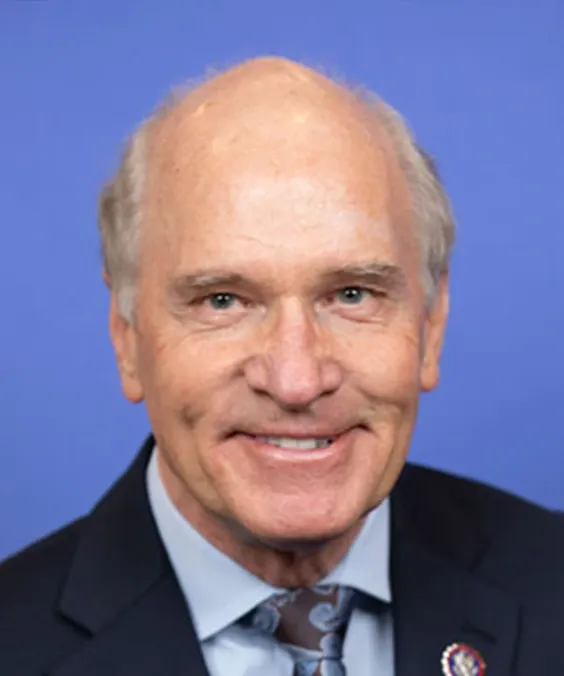
Jim McGovern is a Democratic member of the United States House of Representatives, representing Massachusetts's 2nd congressional district since 1997. He has been a strong advocate for issues such as hunger, human rights, and healthcare. Throughout his tenure, McGovern has focused on policies aimed at reducing food insecurity and promoting social justice. He has also been involved in various legislative efforts to improve access to healthcare for all Americans.
I support USDA's efforts to encourage veterans to get into farming and to support them throughout the process.
Making the connection from farm to fork provides a great opportunity for people in both urban and rural areas...
The benefit for most families doesn't allow them to be able to afford groceries for an entire month.
Thank you. All of you have highlighted the relative stability and affordability of food in this country, but there are important distinctions to be made among income groups.
SNAP has important short-term benefits, reducing hunger and poverty, increasing demand for food, as well as important long-term benefits.
It is important for us as Members to understand the entirety of the food system.
Today's topic, food prices, is an important one, and it is one that we really haven't discussed much in previous hearings.
I think SNAP really works well. It is very efficient. It is not perfect, but it is very efficient, and as noted, it brings people out of poverty as well.
Many of them, by the way, are veterans who have served our country and have fallen on hard times, and they are going to lose their food benefits, which to me is outrageous.
I am deeply worried about this because I am worried that this is the direction that the majority in this Congress want to move in, and that would be a huge, huge mistake.
I appreciate you not tiptoeing around the issue, because I am very, very concerned about this.
I believe that the benefit we provide is inadequate, and we need to do better on the Federal level.
I am deeply concerned about where we are going as a Congress on all this stuff.
Moving down a pathway to reduce the benefit, or somehow re-imagine this whole program is not a good idea.
Thank you for the opportunity to share what we have learned from our pilot project relating to food insecurity...
Nutrition incentive programs are a sound investment, and I look forward to today's conversation.
We just need to connect the dots, which is where these incentive programs come in.
Hunger can exacerbate underlying medical conditions like diabetes, heart disease, and cancer, and can result in life threatening complications.
Incentives for maximizing Federal nutrition programs is a relatively new area of policy, and one that I think holds a lot of promise.
I sincerely thank Chairwoman Walorski, Ranking Member McGovern, and Members of the Subcommittee for providing me with the opportunity to share our lessons learned from the field.
Politicians like Jim McGovern