Jim McGovern
The Public Record
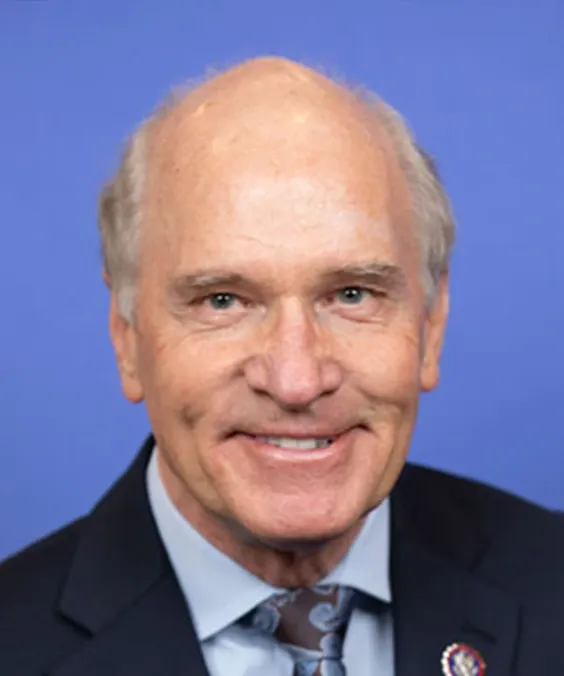
Jim McGovern is a Democratic member of the United States House of Representatives, representing Massachusetts's 2nd congressional district since 1997. He has been a strong advocate for issues such as hunger, human rights, and healthcare. Throughout his tenure, McGovern has focused on policies aimed at reducing food insecurity and promoting social justice. He has also been involved in various legislative efforts to improve access to healthcare for all Americans.
Nov 15, 2022
I want to applaud the Cherokee Nation for its decision to honor its moral and legal obligations to the Freedmen and their descendants.
Nov 15, 2022
I personally believe we need to find a way to honor our treaty obligations with the Cherokee Nation.
Nov 15, 2022
America's history with the indigenous people that are native to this land is atrocious. There is no other way to put it. It is appalling.
Jul 27, 2022
I dedicated myself to be an education advocate and push for hemp to be re-legalized in Wisconsin and in the United States through Hempstead Project Heart.
Jul 27, 2022
The historical perspective of hemp played a large role in building our country during the early years of our democracy.
Jul 27, 2022
The best way I have educated the American people over the last 6 years on the difference between hemp and marijuana is an analogy of the pepper family.
Jun 22, 2022
If you want to do something constructive right now, you should re-enter the direct dialogue that you walked away from 12 years ago.
Jun 22, 2022
It's not up to President Biden, or it's not about what President Xi wants for Tibet.
Jun 22, 2022
Tibet's true representatives are His Holiness the Dalai Lama and the Tibetan government-in-exile, as recognized by the Tibetan people.
Jun 22, 2022
I think that's changing. I really do. I mean, I look at the last few years here in the United States Congress. We have legislated more; we have created more policy on Tibet than at any other time.
Jun 22, 2022
We're very good at talking the talk; we're not very good at always walking the walk on these issues.
Jun 22, 2022
I believe that we in the United States--and, Mr. Tethong, I appreciate your kind words, but to be honest with you, we're not doing enough.
Jun 22, 2022
I think this is a very important hearing because in our discussions on Tibet, and some of the topics that we covered here today, we don't include the historical fact that Tibet has not been a part of China since ancient times.
Jun 22, 2022
Clearly a tremendous amount of change has happened in Tibet, for the better, because there is attention from the outside world, and especially the United States.
Jun 22, 2022
I hope the United States and other governments would counter directly the claims of some of these empire revivalists.
Jun 22, 2022
As part of that, there is a strong effort to rob the Tibetans also of their history, since that's also tied to their identity.
Jun 22, 2022
I just think it's important to establish a full record here, not only for the Commission but for my colleagues.
Jun 22, 2022
I think our position is that Tibet's true representatives are the Dalai Lama and the Tibetan government-in-exile, as recognized by the Tibetan people.
Politicians like Jim McGovern