Of the others, some retained their hold upon public office and some were advanced to higher places, but they carried always the smell of the smoke of corruption upon their garments.
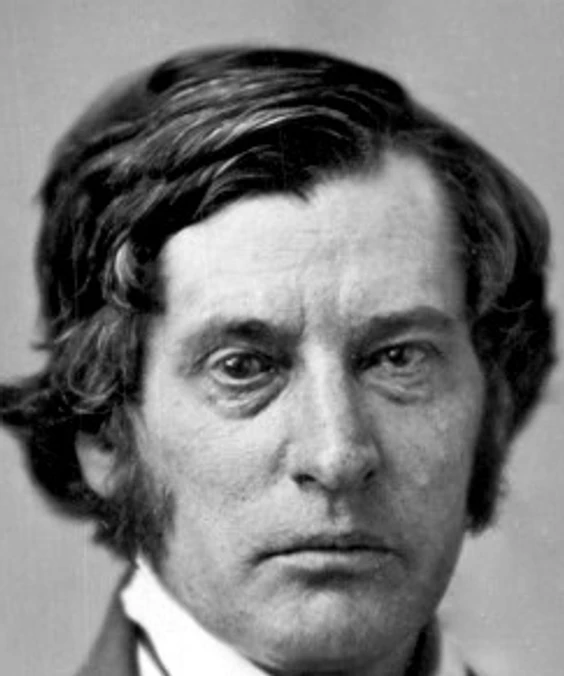
George Boutwell
The Public Record
United States politician (1818–1905)
gutenberg.org
Ames made the subscriptions, carried the stocks, and turned over the profits to those who had paid nothing and risked nothing.
Similar conduct ruined many of the members of Congress who were beneficiaries of the Credit Mobilier scheme.
The public reasoned, and reasoned justly, that they would have kept the money if they had dared to do so.
The members seemed not to realize that the wrong was in the votes for which those members were alone responsible who had sustained the bill, and that the acceptance of the salary which the law allowed was not only a right but a duty.
Outside of the criminal classes there has but seldom been a more melancholy exhibition of the weakness of human nature.
The temptation to give the benefit of the increase to the members of the then existing House was too strong for their judgment and virtue.
In public all these weapons were poisoned, but in private he was usually genial.
He possessed wit, sarcasm and irony in every form.
First and last many a new member was extinguished by his sarcastic thrusts.
He was an anti-slavery man, a friend to temperance and an earnest supporter of the public school system, and he would not have hesitated to promote those objects by arrangements with friends or enemies.
Those who acquire and retain power are the earnest and persistent men.
In his political action he seemed more anxious to annoy his opponents than to extinguish them.
He did not believe in secession, as a wise and proper policy, but he did believe in the right of a State to consult itself as to its continuance in the Union.
Instances there have been of success, but I have never known a case where a public man has not suffered in reputation by the knowledge that he had accumulated a fortune while he was engaged in the public service.
The authority of the Government was relaxed just when its power was about to be assailed; and the people, emancipated from every control and their passions inflamed by the fierce struggle for the Presidency, were the easy prey of…
In the struggle for party power, the two great regions of the country have been brought face to face upon the most dangerous of all subjects of agitation.
It is to this fearful demoralization of the Government and the people that we must ascribe the disastrous defections which now perplex us with the fear of change in all that constituted our greatness.
The Government under their disastrous influence has gradually ceased to fertilize the fields of domestic and useful legislation, and pours itself, like an impetuous torrent, along the barren ravine of party and sectional strife.
The corruption of our political maxims has relaxed the tone of public morals and degraded the public authorities from terror to the accomplices of evil-doers.
Yet in the early youth of our national life we are already exhausted by premature excesses.
The nations of the world look anxiously to see if the people, ere they tread that measure, will come to themselves.
We are about to close the masquerade by the dance of death.
We are at the end of the insane revel of partisan license, which, for thirty years, has, in the United States, worn the mask of government.
The war had not been prosecuted successfully, the expenses were enormous, taxes were heavy, multitudes of families were in grief, and the prospects of peace through victory were very dim.
Politicians like George Boutwell