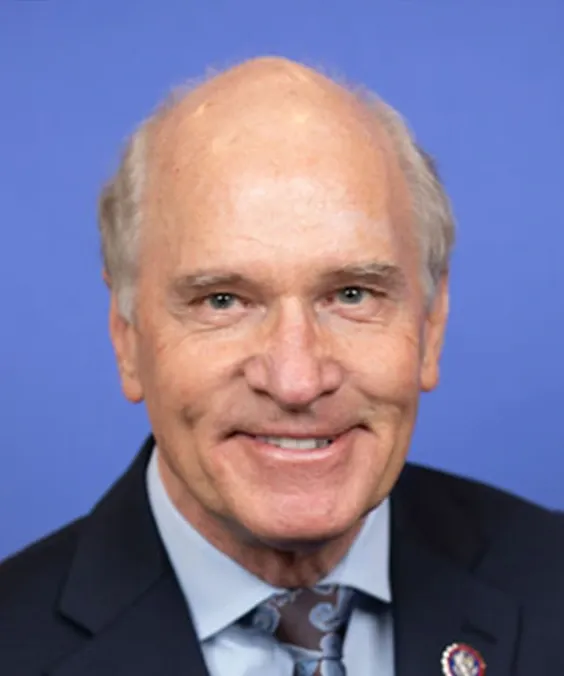
Elizabeth Warren
The Public Record
Elizabeth Ann Warren is an American attorney, academic, and politician serving as the senior United States senator from Massachusetts since 2013. A member of the Democratic Party, she has been a prominent advocate for consumer protection, economic equality, and corporate regulation. Warren gained national recognition for her work in establishing the Consumer Financial Protection Bureau and has focused on issues such as student debt relief and healthcare reform during her tenure in the Senate.
Aug 4, 2015
If we reject this deal, Iran's breakout time will go down, and that will increase the pressure to take military action very soon.
Aug 4, 2015
No one can say for certain that this deal will prevent a nuclear-armed Iran, and I will not say it.
Aug 4, 2015
A nuclear-armed Iran threatens the United States, threatens Israel, threatens the entire world.
Aug 4, 2015
The question now before Congress is whether the nuclear agreement represents our best available option for preventing Iran from acquiring a nuclear weapon.
Aug 4, 2015
One way the Federal Government could help in this process is providing greater incentives to States that maintain tuition to their public institutions at rates significantly below the national average.
Aug 4, 2015
With the Federal Government spending billions of dollars each year on the Pell grant program, understanding how these students are succeeding is an important component.
Aug 4, 2015
We just have to go back to the fact that the Federal Government is shelling out $150 billion every year to help students attend college.
Aug 4, 2015
$100,000 in debt and very little credit that will actually transfer. For-profit colleges seem more interested in shareholder success than in student success.
Aug 4, 2015
When we talk about improving student success, we aren't just talking about getting students through a graduation ceremony--getting them in the row and walking them across the stage. We're talking about making sure that students leave…
Aug 4, 2015
I just want to underline what I'm hearing you say about this is putting financial incentives in place so that schools have a reason to invest not just in getting students in through the door, but in having them succeed.
Aug 4, 2015
We all know that helping students should be a high priority, and I know that you all see this.
Jul 28, 2015
So, I think--and then the question is, does that change the calculus on whether or not we need to find devices in the law for holding the executives of the biggest financial institutions accountable if they threaten to wreck the economy…
Jul 28, 2015
The taxpayers should not be put in the position of having to choose between either watching the economy implode or having to bail out these big financial institutions
Jul 28, 2015
I am absolutely in favor of holding them accountable, and just to add a small fact to this, the corporate executives of the top 14 U.S. financial companies made $2.5 billion in compensation between 2000 and 2007.
Jul 28, 2015
In 2008, did we have a law that said that the Federal Government would bail out the biggest financial institutions if they threatened to bring down the entire economy?
Jul 28, 2015
No financial institution should be too big to fail, and to me, that means three things.
Jul 28, 2015
The shutdown should not create moral hazard by letting the bank's executives escape accountability.
Jul 28, 2015
I would like to see something that actually forces the hand of local and State police agencies to actually engage with the campus police agencies.
Politicians like Elizabeth Warren