Nov 17, 2011
Even the Ranking Member of the Senate Environment and Public Works Committee, Senator Inhofe, acknowledged this week that increased drilling would not be able to fund a transportation bill, stating, quote, there is no money in expanded…
The Public Record
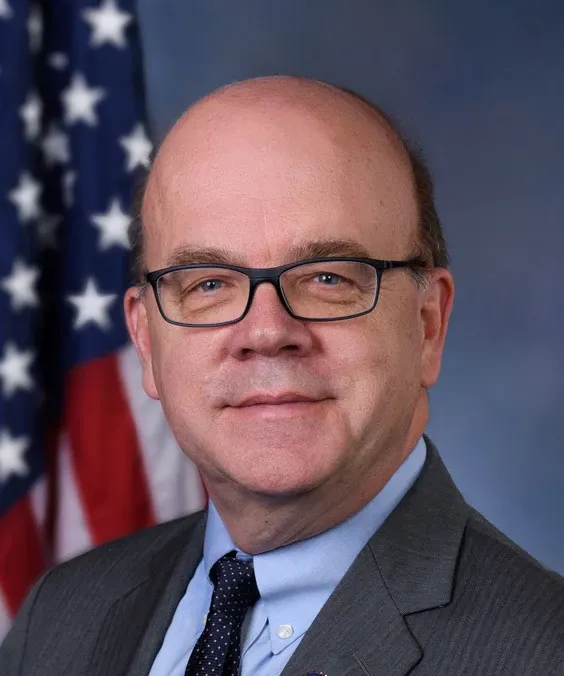
Edward John Markey is a United States Senator from Massachusetts, having served since July 24, 2013. A member of the Democratic Party, Markey previously represented Massachusetts in the U.S. House of Representatives from April 14, 1976, to July 24, 2013. Throughout his career, he has been a strong advocate for environmental issues, telecommunications, and technology policy. Markey played a significant role in the development of legislation aimed at addressing climate change and promoting renewable energy sources.
Even the Ranking Member of the Senate Environment and Public Works Committee, Senator Inhofe, acknowledged this week that increased drilling would not be able to fund a transportation bill, stating, quote, there is no money in expanded…
Unfortunately, the majority's drilling bills would barely get us started down the road of paying for a transportation bill.
When the price of silicon dropped dramatically, 90 percent, that hurt the technology of Solyndra.
There's a global race to become the leading maker of solar technology, and we have some fierce competitors.
The Republicans attack renewable energy because they claim it's too expensive, but Solyndra failed because solar is getting too cheap.
Solar has big coal and big nuclear and the established energy sector scared stiff, and they've enlisted the Republican party to do something about it.
Secretary Chu, many of my colleagues on this committee think renewable energy is the stuff of the Jetsons.
Who we should really be talking about are not the bureaucrats at DOE, but the bureaucrats in China, who have made a strategic decision to drive foreign competitors out of the solar market.
Today Americans are focused on the oversized influence of the oil companies and others through the Occupy Wall Street movement, yet Republicans are pushing their own pre-occupy movement in the hopes that Americans will be too preoccupied…
I am concerned that the plan does include new lease sales off of Alaska even though the oil industry has not effectively proven that they can respond to a spill in the icy, harsh conditions offshore in the Arctic.
Over the past 10 years in the leasing of the last 10 leases in the Gulf of Mexico dating back to August of 2005, the Interior Department has offered more than 39,000 tracts to oil companies to drill.
The great irony is that it is the Republican Majority that is blocking access to the real resources American people need right now, additional revenue to reduce our budget deficit.
We will not be able to continue to meet our country's energy and economic needs if restrictive policies are imposed.
The Arctic sales are scheduled late in the five-year period to facilitate further scientific study and data collection and longer term planning for spill response preparedness and infrastructure.
Mr. Secretary, when the Department released its five-year offshore drilling plan, The New York Times reported that, 'David Hayes, the Deputy Interior Secretary, acknowledged that the infrastructure did not now exist to prevent or respond…
So, if the oil companies aren't bidding on the vast majority of tracts offered in the Gulf, should we be rushing to offer them new areas off our beaches in the East and West Coast?
The Interior Department has offered more than 39,000 tracts to oil companies to drill.
My legislation would reduce the deficit by nearly $19 billion over the next 10 years just by ending taxpayer-funded giveaways for these companies.
Enough is enough. Rather than balancing our budget on the backs of our seniors and millions of Americans who are struggling, we should be ensuring that oil companies are paying their fair share.
Yet, the Republican Majority continues to claim that the Administration is locking up our resources.
I will continue to monitor the progress the industry makes in developing its response capabilities, and ensure that the Interior Department is holding the industry to the highest safety standards in this sensitive area.
I am pleased that the plan protects the East Coast, and especially New England, from offshore drilling for at least the next five years.
Rather than balancing our budget on the backs of seniors and millions of Americans who are struggling, we should be ensuring that oil companies are paying their fair share.
By protecting oil companies and preventing the government from collecting the revenue it is rightfully owed.
Politicians like Ed Markey