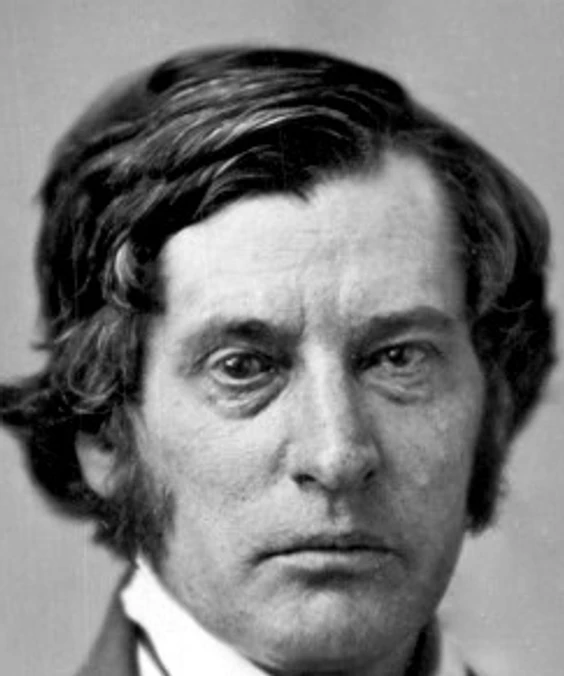
David Gergen
The Public Record
David Gergen was an American political commentator and advisor who served in the administrations of four U.S. presidents, providing insights and guidance on various political matters. Born on May 9, 1942, in Massachusetts, Gergen held significant roles in both Republican and Democratic administrations, showcasing his ability to navigate the political landscape across party lines. He was also a professor of public service at Harvard University, where he influenced a new generation of leaders. In addition to his academic work, Gergen was a senior political analyst for CNN, contributing to public discourse on current events until his passing on July 10, 2025.
Jul 14, 2008
Barack Obama has been arguing all along we should have direct diplomacy with no preconditions.
Jul 14, 2008
It's a significant break with past administration policy, Anderson. And for those of us who believe that this ought to be happening, it's welcome.
Jul 14, 2008
It's likely there -- if they've done this properly -- that he'll be greeted with considerable enthusiasm in some of the European capitals and you'll see big crowds in the streets.
Jul 14, 2008
I think it undercuts John McCain's argument about not sitting down with Iran, being very tough on them.
Jul 10, 2008
It's for that reason, in my view, Barack Obama is going to keep the door open until the very last moment, until the moment of decision about whether he thinks Hillary Clinton ought to be on the ticket.
Jul 10, 2008
But I must tell you at the moment her fate does rest with Barack Obama.
Jul 10, 2008
He cannot afford to insult them in any way. He has to show them enormous respect. He has to showcase them at the convention.
Jul 8, 2008
I think John and Cindy McCain deserve an enormous amount of appreciation for the way they have decided not to exploit their son who went to Iraq.
Jul 8, 2008
This is Barack Obama's statement. It was very brief. He said, of course, he accepts the apology, but he's going to -- he's going to go on and speak out about this personal responsibility.
Jul 8, 2008
I have to tell you, I also think though that John and Cindy McCain deserve an enormous amount of appreciation for the way they have decided not to exploit their son who went to Iraq.
Jul 8, 2008
I think he did make a mistake. It was not a bad mistake. It's going to go away.
Jul 8, 2008
I think both sides in this case -- this is one of the better parts of it -- this campaign leads a lot to be desired on some substantive issues. But in terms of the personal side of it, I think both sides are doing it pretty well.
Jul 8, 2008
I think he's actually on this issue -- you know the black community, there may be some in the black community.
Jul 7, 2008
I think he is. I think, certainly, the positions that he's taken on abortion and on guns suggest to many voters, I think rightly so, that he's not an ideological man of the left.
Jul 7, 2008
Well, it's a very long short list, isn't it? He is going to be in the mix in part because he does have this vitality, he does have the youthfulness.
Jul 7, 2008
I think he's got to make a choice, there's Hillary Clinton and then there's everybody else. And this is not only the most important decision he's got to make but the toughest decision he's got to make because the pressure is now building…
Jul 6, 2008
The smart people want to let McCain be McCain, let him do what's authentic and let him be at his best without a teleprompter.
Jul 6, 2008
I think his greatest risk would be if the hard left coalesced with the Clinton disgruntled voters and sort of sat out the election.
Jun 29, 2008
At this point with George W. Bush as unpopular as he is, to argue a case for continuity in foreign policy does not seem to be a big election winner.
Politicians like David Gergen