Apr 6, 2009
Absolutely. And I think we need to be careful about being too self-righteous in one sense. ... we expect -- we have certain expectations of that and we're not going to sit still for something which is so clearly in violation of…
The Public Record
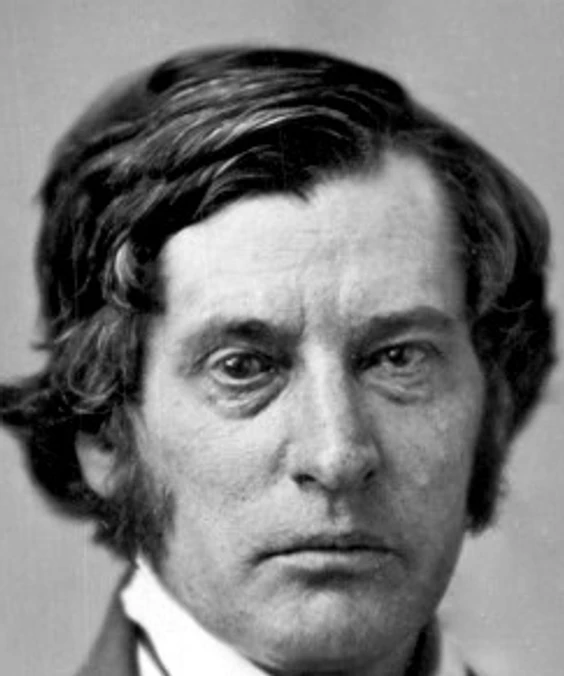
David Gergen was an American political commentator and advisor who served in the administrations of four U.S. presidents, providing insights and guidance on various political matters. Born on May 9, 1942, in Massachusetts, Gergen held significant roles in both Republican and Democratic administrations, showcasing his ability to navigate the political landscape across party lines. He was also a professor of public service at Harvard University, where he influenced a new generation of leaders. In addition to his academic work, Gergen was a senior political analyst for CNN, contributing to public discourse on current events until his passing on July 10, 2025.
Absolutely. And I think we need to be careful about being too self-righteous in one sense. ... we expect -- we have certain expectations of that and we're not going to sit still for something which is so clearly in violation of…
What the president, Obama, is trying to do here is change the -- the context of the dynamics in which decisions are made.
The Muslim world is doing better than I would have expected in that -- in that poll.
We've heard so much anti-Muslim talk for so long since 9/11, that's not unnatural.
I was in a forum recently with just a few months ago with Jim Baker and Sam Nunn and asked which one is going to be more dangerous for President Obama, Iran or Iraq, and they both said Pakistan.
It was, I thought, an important speech, Anderson. It was not the speech that we thought he might deliver.
On the one hand, he's basically saying, yes, I'm here, and there -- there are going to be changes in America. But, on the other hand, he's saying, not everything is going to be different from the Bush administration, and you have to change.
The leadership question for him I think by which a lot of the press at least will be judging him if that matters is whether you can translate that popularity into action.
President Obama had no good choices. And what they have decided is, we couldn't get the bondholders to agree to any kind of out-of-court settlement.
I think he's making a fundamentally right decision about giving them 60 days, giving Chrysler 30 days and then taking them into bankruptcy if they can't make it.
It will protect us in the economy. It will also protect us if the Chinese won't buy our treasury bonds anymore. We can buy them ourselves.
Well, it's good to see people say, 'I want to save 14 percent.' But there's an old saying. Everybody wants to go to heaven, but nobody wants to do what it takes to get there. There's a truth to that here; 14 percent savings, anything close…
That's four more years of high unemployment. That's a really scary number.
The news is it's coming out from Detroit, the restructuring and shake-up that the government is doing with the Detroit automobile industry I think only emphasizes there's a lot more pain ahead for workers and the more traditional…
This is not just an economic challenge. This is a major, major political challenge for this administration.
I think there's pretty widespread agreement that something has to be done with more government control.
It will protect us in the economy. It will also protect us if the Chinese won't buy our treasury bonds anymore. We can buy them ourselves.
Well, it's good to see people say, 'I want to save 14 percent.' But there's an old saying. Everybody wants to go to heaven, but nobody wants to do what it takes to get there. There's a truth to that here; 14 percent savings, anything close…
That's four more years of high unemployment. That's a really scary number.
The news is it's coming out from Detroit, the restructuring and shake-up that the government is doing with the Detroit automobile industry I think only emphasizes there's a lot more pain ahead for workers and the more traditional…
This is not just an economic challenge. This is a major, major political challenge for this administration.
Politicians like David Gergen