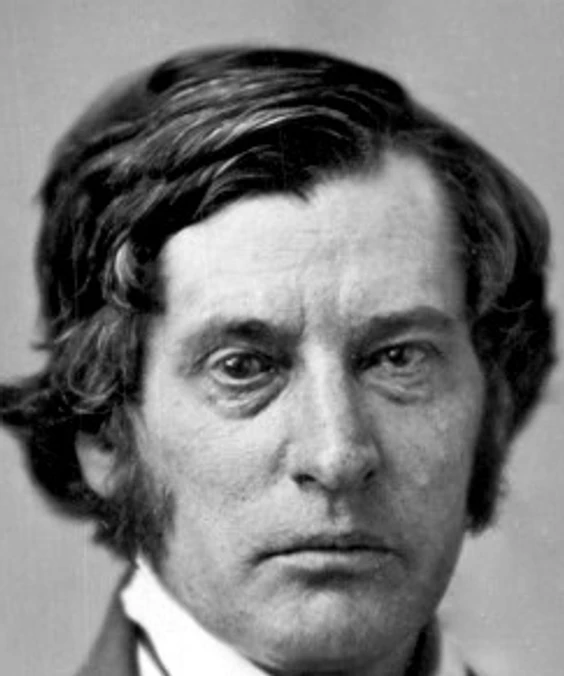
David Gergen
The Public Record
David Gergen was an American political commentator and advisor who served in the administrations of four U.S. presidents, providing insights and guidance on various political matters. Born on May 9, 1942, in Massachusetts, Gergen held significant roles in both Republican and Democratic administrations, showcasing his ability to navigate the political landscape across party lines. He was also a professor of public service at Harvard University, where he influenced a new generation of leaders. In addition to his academic work, Gergen was a senior political analyst for CNN, contributing to public discourse on current events until his passing on July 10, 2025.
Feb 25, 2009
This is a major change of direction for the country, in the sense that, under Republican administrations... we moved to a much more of an emphasis on the private sector.
Feb 24, 2009
We need to focus on the recession first. We need to stabilize the economy.
Feb 24, 2009
I just think 8,500 earmarks in this bill that the Congress just passed? You know, that just leaves him wide open if the president signs on to that to hypocrisy. I don't believe Barack Obama believes in those 8,500 earmarks. The question is…
Feb 23, 2009
We're going to do education. Thankfully, he's going to do national service. And we're going to cut the deficit.
Feb 20, 2009
They're designating $50 billion of that to go into helping on housing and trying to stop this flood of foreclosures.
Feb 20, 2009
The administration believes that they have to tackle the housing as part of this.
Feb 20, 2009
What it will help to do in all likelihood is make the downturn not as steep.
Feb 20, 2009
This bill will help relieve some of the suffering. For example, if you're unemployed and you've got to go pay for health insurance under your COBRA plan, that can cost you over $1,000 a month.
Feb 20, 2009
This stimulus package is only about a third of that at best. David Walker would argue it's only a tenth of that or a fifth of that.
Feb 20, 2009
I think the other part of this, though, that we have to recognize, as Andy said and as David Walker said, the hole we're facing and the sort of the lost economy over the next three years is about $3 trillion, according to the Congressional…
Feb 20, 2009
Well, it's certainly going to help in the short-term. If you're working for the State of California right now and you got one of these notices saying you're about to be laid off and money comes into the state, there's a reasonable chance…
Feb 19, 2009
Having now warned us of the catastrophe -- and everybody knows that that is out there as a possibility -- having passed a stimulus bill, this is the time to do a pivot toward looking toward the prospects of the road out, the road up.
Feb 19, 2009
If that does not work, nationalization may be the last resort, but it's a very, very, very last resort. It's a thing that -- you know, that industry fears the most.
Feb 19, 2009
The more you talk about nationalization, the more it looms as a possibility, the more private money will flee, because nationalization, in effect -- in effect, wipes out private investors in the banks.
Feb 19, 2009
We are in uncharted water. Nationalization has occurred here and it has occurred elsewhere, but in an economy this size, with this complexity of banking, that is uncharted water.
Feb 19, 2009
Let's in effect catapult ourselves out of the crisis to a higher plane of living.
Feb 19, 2009
This bill will help relieve some of the suffering. For example, if you're unemployed and you've got to go pay for health insurance under your COBRA plan, that can cost you over $1,000 a month. This bill is going to help subsidize that and…
Feb 19, 2009
The administration believes that they have to tackle the housing as part of this. What they think of, there are three pieces, what they call three legs to this stool. One, we've been talking about the stimulus. A second is the banking…
Feb 19, 2009
This stimulus package is only about a third of that at best. David Walker would argue it's only a tenth of that or a fifth of that.
Feb 19, 2009
I think the other part of this, though, that we have to recognize, as Andy said and as David Walker said, the hole we're facing and the sort of the lost economy over the next three years is about $3 trillion, according to the Congressional…
Politicians like David Gergen