May 18, 2010
I would ask that we make part of this discussion the not just authority, but mandate that the President set up a quick loan program for fishermen and others in the fisheries industry.
The Public Record
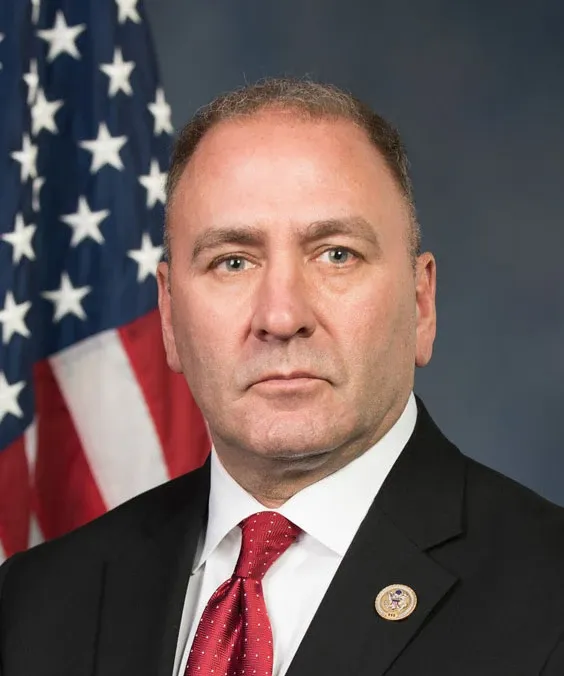
David Vitter is a former United States Senator from Louisiana, serving from 2005 to 2017. A member of the Republican Party, Vitter was known for his focus on issues such as transportation, infrastructure, and environmental policy. During his tenure, he served on various Senate committees, including the Environment and Public Works Committee, where he addressed topics like water quality and pharmaceuticals in the nation's waters.
I would ask that we make part of this discussion the not just authority, but mandate that the President set up a quick loan program for fishermen and others in the fisheries industry.
I talked with her in the last few weeks about an aggressive SBA response to the current crisis in the Gulf.
Timing is the big issue, and this request has been out there for a week or more.
The State of Louisiana and local parishes have made a proposal to do emergency dredging and use the dredged material to build up the barrier islands.
The President shall establish a loan program under the fund to provide interim assistance to fishermen and aquiculture producer claimants during the claims procedure.
This is obviously a historic event with a big negative impact on fisheries. If this doesn't qualify, I don't know what does.
I want to do everything we can to get folks out there--local community folks--cities, counties, businesses, volunteers, state government--to try to do everything we can to stop this oil from coming ashore.
I would think that we shouldn't outsource our responsibility for cleaning this up.
What this could do to Florida, if all of this oil washes along our shores; what it's going to do to our tourism industry, what it's going to do to our fishing business, what it's going to do to recreational boating, what it's going to do…
I urge all my colleagues, Democrats and Republicans, to do the same. Particularly since the financial crisis, the American people have been demanding several things. One of them clearly has been openness and transparency about U.S…
Thank you, Mr. Bolden, as you know, a lot of our concerns are about the capability of the commercial sector to do what we are asking them to do on time, on budget, and putting, essentially, all our eggs in one basket.
The problem is in practice we are seeing a lot of cases where it is not happening.
Another big concern, Mr. McKay, as you can imagine, is using as much local labor and assets in the response as possible because these are the people hurting from the spill.
Between the task of stopping the flow and cleaning up the oil, there is a critical challenge that I am very focused on with folks in Louisiana
I think is a mistake, and I think by definition is pulling some amount of focus and resources away from that ongoing disaster.
Clearly, we need to learn an enormous amount from these events, and significant changes will have to be made to Federal law and policy and procedure in light of that.
This incident is clearly a major human disaster, and again, I repeat, my heart and prayers go out with all of ours to the families directly involved starting with the 11 deceased or missing, all their families. And it is a major…
I'm very concerned about the impact of the shipbuilding budget on the shipbuilding industrial base, and in particular, the effect on the Avondale shipyard in Louisiana.
Among these you specifically mention the need to maintain a safe, effective stockpile, which I take to mean, not just the nuclear warheads but the missiles as well.
The President's plans for NASA present a direct challenge to and potentially jeopardize the viability of our Nation's nuclear deterrent, specifically to our ICBM fleet?
Sort of like the ``Louisiana purchase'' with health care reform. Let's put one sweetener in the bill to pass something really bad--a $108 billion debt increase over a year. Let's take one hostage, including folks who are held hostage who…
Not if it increases the deficit and debt $108 billion a year. No, sir, I am not. And the American people are not. And the American people are getting fed up with it.
I will be happy to do that in a version that is paid for, incorporating the very sensible, commonsense objections that have been offered to pay for all of this extension.
Politicians like David Vitter