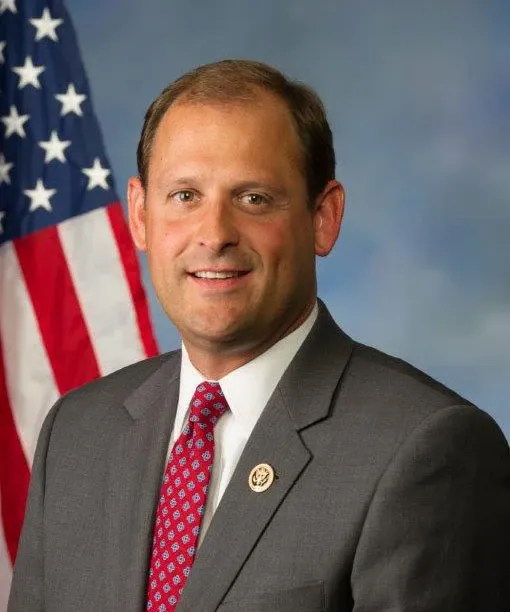
On the recordJanuary 13, 2022
I rise today to speak against the sanctioning of German and Russian businesses over the transport of natural gas between their countries. Proponents of sanctions say: Sanction this, sanction that. The Department of the Treasury is currently administering dozens of sanctions programs designed to change the behavior of certain countries. Yet, no one seems to ask the important questions: Do sanctions promote peace and understanding, or do they escalate tension between nations? What behavior has China modified since the United States began sanctions? Has Russia changed her behavior? Has Russia given back Crimea? Sanctions, although lacking in proof of effectiveness, are very popular with both parties. Embargoes, sanctions' big brother, also garner bipartisan enthusiasm. The U.S. embargo of Cuba has now gone on for more than 60 years without any evidence of a change in regime or even a change in the regime's policy. Embargoes are often described, especially by the embargoed country, as an act of war. Many historians say that the U.S.'s embargo of 1807 ultimately led to the War of 1812. President Jefferson's embargo was intended to punish France and England for their aggressions, but instead the embargo crippled American shipping exports. Exports declined by 75 percent. Some historians also blame the U.S. embargo of Japan for the ensuing war.…