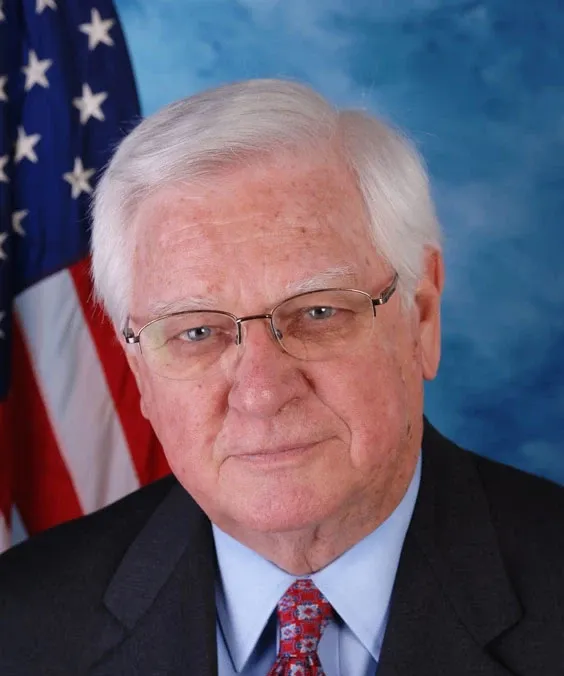
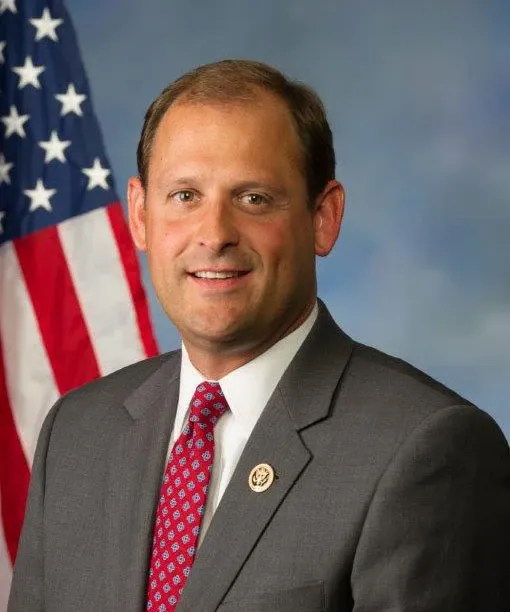
Buckley adopted the `express advocacy' requirement to distinguish discussion of issues and candidates from more pointed exhortations to vote for particular persons. We therefore concluded in that case that a finding of `express advocacy' depended upon the use of language such as `vote for,' `elect,' `support,' et cetera. Just such an exhortation appears in the `Special Edition' in this case. The publication not only urges voters to vote for `pro-life' candidates, but also identifies and provides photographs of specific candidates fitting that description. So it seems to me in this case, they are definitely verifying and accepting the definition of express advocacy as set out in Buckley.
Ed Whitfield: “Buckley adopted the `express advocacy' requirement to distinguish discussion of issues and candidates from more pointed…”
Editor's note · Context
Discussing the implications of express advocacy in campaign finance during a congressional debate.
Share
More from Ed Whitfield
As I see it, the RFS was enacted largely for three reasons--to reduce America's dependence on foreign oil, to lower greenhouse gas emissions, and to strengthen rural economies.
Despite the stay of the Clean Power Plan, last week EPA published a 44-page proposed rule setting forth the details for Clean Energy Incentive Program.
My bill, the Renewable Fuel Utilization, Expansion, and Leadership Act, or REFUEL, will create a new and retrofit existing infrastructure including pumps for biofuels and hydrogen tanks, piping, and electric vehicle chargers...
If that happens and if you're still at the EPA I want you to go to Fairfield, Texas with Congressman Bill Flores and explain to those people who've lost their jobs how you've improved their environment.