Nov 15, 2023
What do we lose to actually learn from it when we are not talking to the people that actually get defrauded?
The Public Record
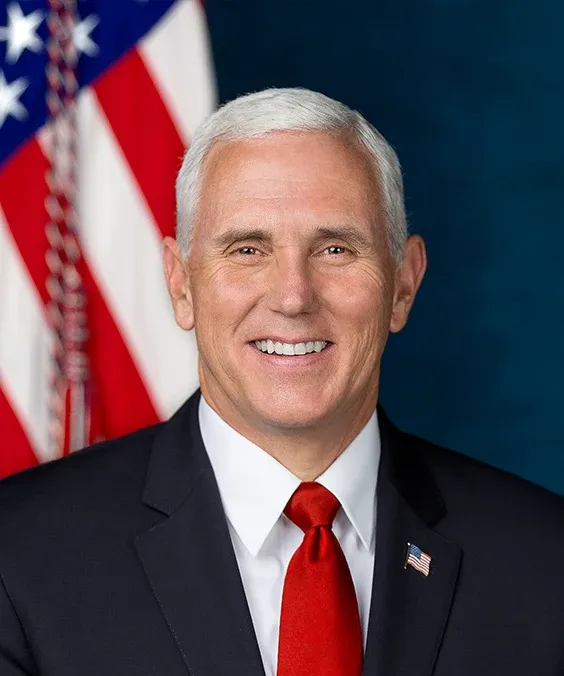
Mike Braun is an American businessman and politician currently serving as the junior United States senator from Indiana, a position he has held since January 3, 2019. A member of the Republican Party, Braun has focused on issues such as fair representation and gerrymandering, advocating for equitable electoral maps in Indiana. His business background includes founding a successful auto parts company, which has informed his approach to economic policy and job creation.
What do we lose to actually learn from it when we are not talking to the people that actually get defrauded?
When you have got that kind of fraud nipping at its flanks, something has got to give.
In your opinion then, for the bill that we are introducing, I am going to--I think I am going to get colleagues on the other side of the aisle, the Medicare Transaction Fraud Prevention Act, which is aimed at diagnostic testing and durable…
I am going to be introducing the Medicare Transaction Fraud Prevention Act, which will be very simply for all the fraud that comes around it using the same tools credit card companies have used for a long time.
I believe getting beneficiary feedback along with being able to use the latest tools--most other places that do well with preventing fraud are already doing both.
It is very important that we keep this in the discussion mode. Be sure that we don't smother the technology because it is already out there.
While some of my colleagues have called for a heavy handed Federal approach to AI, I am very concerned that we don't smother it because it is already out there.
I think the main takeaway is that AI obviously can be used for that. It also may be the tool that you can use against it.
I hope that we can continue to learn from industry's promising advances and integrate these solutions gradually and carefully.
So, Dr. Hendren, would you agree that anything to do with what this might do, say it's at 10 billion a year, is insignificant compared to the broader issue that we just spend way more than we can ever expect to take in.
If you drag your feet on it, you are going to regret it because your competition in the real world is going to use it.
So, Dr. Hendren, would you agree that anything to do with what this might do, say it's at 10 billion a year, is insignificant compared to the broader issue that we just spend way more than we can ever expect to take in.
My questions are going to be focused on when you spend money like this bill does, what kind of return on investment are you going to get from it?
I am introducing on November 16th and looking for a good Democratic lead. We will get one, and I think this bill is going to go to town.
If you drag your feet on it, you are going to regret it because your competition in the real world is going to use it.
But it is also nearly insignificant as a percentage of the total issue. Would you agree with that?
So, Dr. Hendren, would you agree that anything to do with what this might do, say it's at 10 billion a year, is insignificant compared to the broader issue that we just spend way more than we can ever expect to take in.
If you drag your feet on it, you are going to regret it because your competition in the real world is going to use it.
Politicians like Mike Braun