Apr 21, 2009
Does this difference in deployment length between the units cause morale issues, and would it be realistic to make all deployments for 12 months?
The Public Record
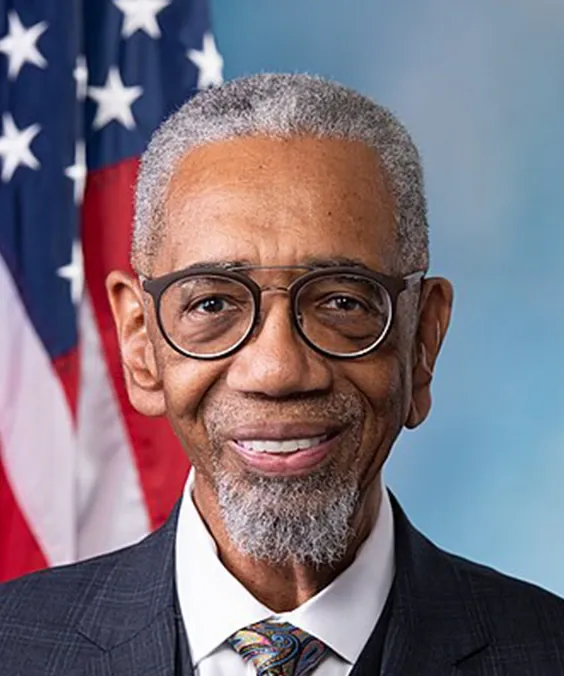
Roland Burris is a Democratic politician from Illinois who served as a United States Senator from 2009 to 2010. He was appointed to the Senate to fill the vacancy left by Barack Obama when Obama became President. Burris was the first African American to represent Illinois in the U.S. Senate. Prior to his Senate appointment, he held various public offices, including Illinois State Comptroller and Attorney General. Burris has been an advocate for civil rights and has focused on issues such as healthcare and education during his political career.
Does this difference in deployment length between the units cause morale issues, and would it be realistic to make all deployments for 12 months?
Are they dealing with any inferior, broken-down equipment? Are we sure they are up to date with the latest weaponry protection?
So that means that when it hits the battlefield we don't have our warriors out there with equipment that's failing or misfunctioning or that hasn't really been tested.
Just for clarification, Generals--and both of you may be able to respond to this.
We are able to do what we do in America because of what you do across the world for our protection.
I think that there are still some areas of consolidation and reorganization and transformation that has to take place in Homeland Security.
I was a product of the draft before most of these guys were born, and I never believed prior to September 11, seeing the performance that I saw, that we would have the quality that we have.
We must get at the root cause, and that is, the user of the drugs, and education and treatment are the sources that I keep saying that we must do.
One of the most important parts of President Calderon's effort is to deal with the justice system.
Creating a successful deterrent to the trafficking of illegal arms and drugs is fundamental.
We have to do something about the demand at home. We have to stop the users and the ability for individuals to acquire those drugs and start treating those people who are drug addicted rather than locking them up and putting them in…
If there is no demand, there will be no supply, and this is what we always maintain.
I hope that we can support President Calderon's brave effort to secure our border and destroy the roots of this ever-growing problem before they do any more damage.
It is clear that solving the border violence will require local and Federal agencies to coordinate their plans and their information.
If not properly prepared and supported, the family member's negative experience will transfer to the servicemembers who are thousands of miles away.
Last Wednesday, the ICC issued an arrest warrant for the Sudanese President Al-Bashir for directing the genocide in Darfur.
The Federal Government is letting out contracts with contracting agencies to help track these funds...
If these dollars come into the community, and none of them get into those underserved and minority communities, then there is going to be--here again, this is what we are looking at; it is all at the top.
Will you be following that piece of it with your authority under the National Governors Association, how they are following up with the minority piece?
But right now I am getting all the heat from it. I was getting calls in yesterday about how do we get a piece of the stimulus? I mean, that is all I am hearing from my constituents.
Politicians like Roland Burris