Apr 28, 2014
Now, it is my concern that if Congress fails to provide necessary funding to a new TSCA program, public health protections will be left without legs to stand on.
The Public Record
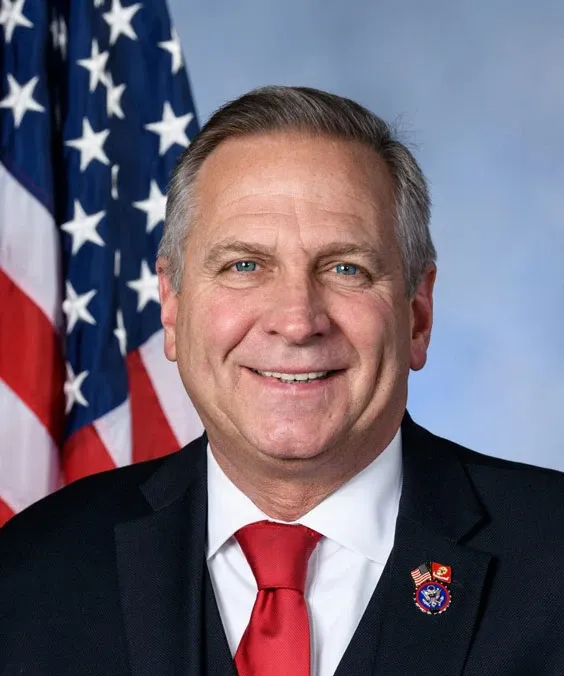
John Shimkus is a former U.S. Representative from Illinois, serving in the House from January 7, 1997, until January 3, 2021. A member of the Republican Party, he represented Illinois's 15th congressional district. During his tenure, Shimkus was known for his work on issues related to energy, environment, and agriculture, often advocating for policies that supported these sectors. He served on several committees, including the Energy and Commerce Committee, where he focused on energy policy and environmental regulations.
Now, it is my concern that if Congress fails to provide necessary funding to a new TSCA program, public health protections will be left without legs to stand on.
I believe the reform of TSCA is a worthy effort that we can craft legislation that would be supported by a majority of our committee's membership.
Since our March 12 hearing on the original discussion draft of the Chemicals in Commerce Act, we have been working on a bipartisan basis to find common ground.
I would encourage you as we work through this process, prioritization, I think it is a have-to, and this is something we can do.
Does EPA have the expertise and the capability to prioritize substances in commerce for further review and assessment?
How many work plan chemicals has EPA completed action on so far and how many in fiscal 2014?
It is our analysis, there is no statutory authority to implement an enforceable permit program.
Our Founding Fathers never said it would be easy getting agreement among the President and a majority of the House and the Senate, but that is no reason not to try.
I think it is important for us to get it right, and I think we have got to have comfort with this.
We take an oath to support and defend the Constitution against all enemies, foreign and domestic. We take that seriously.
I find it hard to believe that the most transparent Administration in the history of the universe would not want the Congress to be informed on how this process would work.
And I would just end, Joe Barton stole the phrase I was going to use from Ronald Reagan, trust but verify.
That is why we are here, because of the attack on seniors from ObamaCare and the cutting of $716 billion.
We should have traditional fee-for-service for those who want it and we should have the Medicare Advantage plans that we promised them.
The President, through ObamaCare, cut $716 billion from Medicare. And that is not disputed.
Even those who will despise the legislation, we want them to despise it with a smile that we made a good effort.
I strongly urge this committee to go back to the drawing board and bring forward a bipartisan bill that protects our communities.
In some cases we couldn't afford to manufacture the chemical here in the United States any longer.
Politicians like John Shimkus