Jul 9, 2013
As a country, we lack a strategic plan to guide economic policy decisions that affect American manufacturing competitiveness.
The Public Record
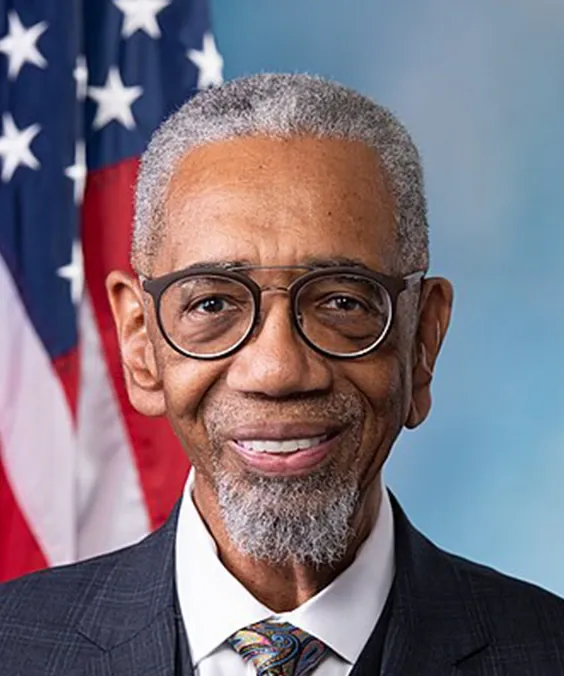
Dan Lipinski is a former Democratic member of the United States House of Representatives, representing Illinois's 3rd congressional district from 2005 to 2021. He is known for his centrist positions and focus on issues such as transportation, healthcare, and education. Lipinski served on several committees during his tenure, including the House Committee on Transportation and Infrastructure, where he played a role in shaping transportation policy. He was also involved in various bipartisan efforts, particularly in areas affecting his constituents in Illinois. In 2020, Lipinski faced a significant primary challenge from progressive candidate Marie Newman, which he ultimately lost, leading to his departure from Congress in January 2021.
As a country, we lack a strategic plan to guide economic policy decisions that affect American manufacturing competitiveness.
Manufacturing has been a critical part of American economic competitiveness since the industrial revolution.
I want to start by following up on Mr. Barletta's questions about RRIF because I think RRIF could be of much greater value if we are able to get more of that money out to the railroads.
Well, I am looking forward to having a discussion about what we can do, especially legislatively here to make the program more functional, get more of that money out the door, more of those loans out the door.
I think your confirmation 97 to 0 in the Senate is a great testament to you and your work.
The survey found that most Americans are unprepared for a major disaster and that they have a false sense of security about what will happen if a major disaster occurs.
In order for these efforts to be effective they cannot leave out the most critical component--people.
We also cannot forget the more than 1,000 people who lost their lives in Hurricane Katrina.
I believe the potential of biometric technologies to enhance our security is great and worth pursuing, but I also believe we need to make certain that there are appropriate safeguards in place so these technologies are not abused.
The collaboration between NSF and NASA on astronomy and astrophysics research appears overall to be strong and productive.
Exoplanet research is also a good example of an area of science that receives support from more than one federal agency.
I think the project, as--Mr. Nadler has been a champion of this--I think the Projects of National and Regional Significance, having that funding mechanism available is critical for these problems across the country.
I certainly won't claim that I am perfect and we were perfect in putting this together in 2010.
Sometimes priority-setting means increasing investments in areas that deliver real returns for taxpayers.
Solving this problem will require some budget cuts. But I hope that going forward we can make these cuts in a smart way.
If we do not do anything to rein-in our long-term debt, our economic future will be imperiled.
If we don't do anything to reign in our long-term debt our economic future will be imperiled.
I go to manufacturers in my districts who are looking for workers, and they find that they are not looking necessarily for a college degree but with the basic skills needed to do some of these jobs in manufacturing.
The thing that creates fatigue in all this discussion are all the excuses that we find for not engaging certain types of students in this work.
According to the 2011 TIMSS study U.S. students in fourth grade rank behind students in ten other countries in science aptitude and 15 other countries in math.
They are not looking necessarily for a college degree but with the basic skills needed to do some of these jobs in manufacturing.
I'm very excited to see how much the private sector has stepped up on these issues in the last few years.
Politicians like Dan Lipinski