Bobby Rush
The Public Record
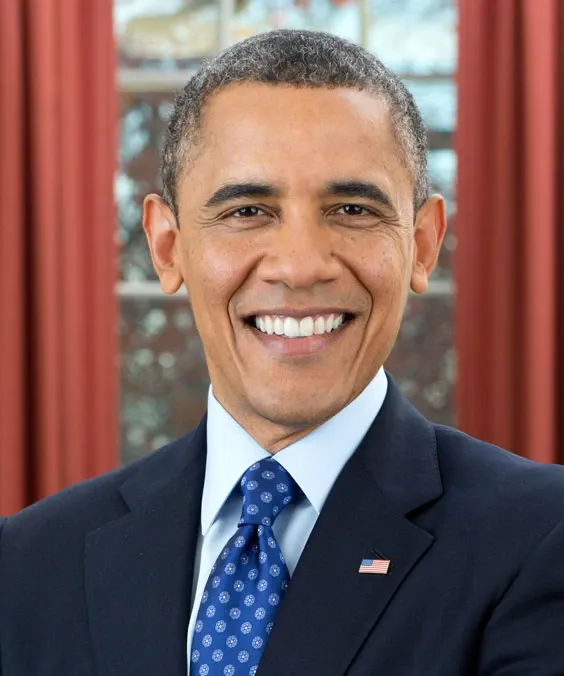
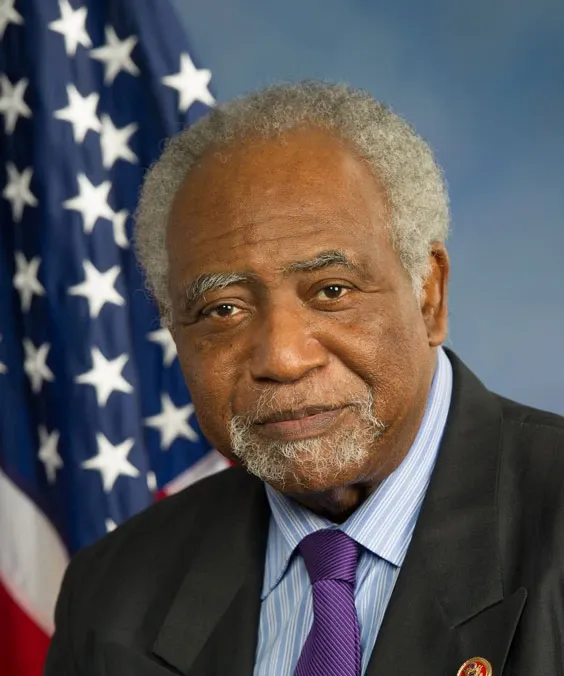
Bobby Rush is a former U.S. Representative from Illinois, serving from January 5, 1993, to January 3, 2021. A member of the Democratic Party, Rush was known for his advocacy on issues related to children's safety and consumer protection. He worked closely with colleagues to strengthen agencies responsible for safeguarding children and emphasized the need for legislative changes to ensure the safety of products available to families. Rush's tenure in Congress was marked by his commitment to social justice and community empowerment, reflecting his deep roots in the civil rights movement.
Feb 27, 2013
Safety is my primary concern, and I would support the implementation of a performance-based approach.
Feb 25, 2013
I would like to know which ones do you think that are most important, that will have the most impact on our urban and low income communities?
Feb 25, 2013
It has been well-established that low income households pay a disproportionate amount of their paychecks on energy bills.
Feb 25, 2013
I want to thank you, Mr. Chairman, and Secretary Hogan, it is certainly a pleasure to have you before the committee again here.
Feb 25, 2013
I have--I think that in order to have a more vibrant and effective energy policy and energy culture more into the future, it is important that we frame--it is important that we introduce--it is important that we teach young people, even in…
Feb 25, 2013
It is important that the federal government does not abdicate its leadership role or responsibility of promoting, encouraging, and enticing interested stakeholders.
Feb 25, 2013
I remain optimistic that this subcommittee may return to the days of enacting bipartisan and comprehensive energy policy.
Feb 25, 2013
The benefits of energy efficiency are something that both Republicans and Democrats can agree upon.
Feb 4, 2013
To provide safe, reliable and affordable energy to all Americans; two, to provide additional jobs and economic opportunities to all segments of our population; three, a plan that will address the dire consequences of climate change...
Feb 4, 2013
I certainly want to thank you, Mr. Chairman, and Mr. Chairman, I also want to join you in welcoming all the new members of the subcommittee and those who are returning.
Feb 4, 2013
It is imperative for this subcommittee to also promote and to encourage renewable energy resources.
Feb 4, 2013
A plan that will address the dire consequences of climate change that scientists have been warning us about for years now.
Feb 4, 2013
This subcommittee needs to get down to the serious business of enacting an energy blueprint that will move this country towards a truly all-of-the-above strategy.
Feb 4, 2013
I would submit that it is critical for us as policymakers to understand the changing landscape of our Nation's energy supplies.
Sep 19, 2012
We are here yet another time, yet another day, yet another bill being introduced by my Republican colleagues that will attempt to roll back the progress that the American people have made.
Sep 12, 2012
We can do it and make money and create jobs. We can do it cleaner and more efficiently than anybody else in the world.
Sep 12, 2012
I would argue that the facts would indicate that those industries actually have been not hampered but aided and helped.
Politicians like Bobby Rush