May 21, 2013
I wish to announce that the Committee on Health, Education, Labor, and Pensions will meet in executive session on Wednesday, May 22, 2013, at 10 a.m. in room 430 of the Dirksen Senate Office Building to mark-up S. 959, Pharmaceutical…
The Public Record
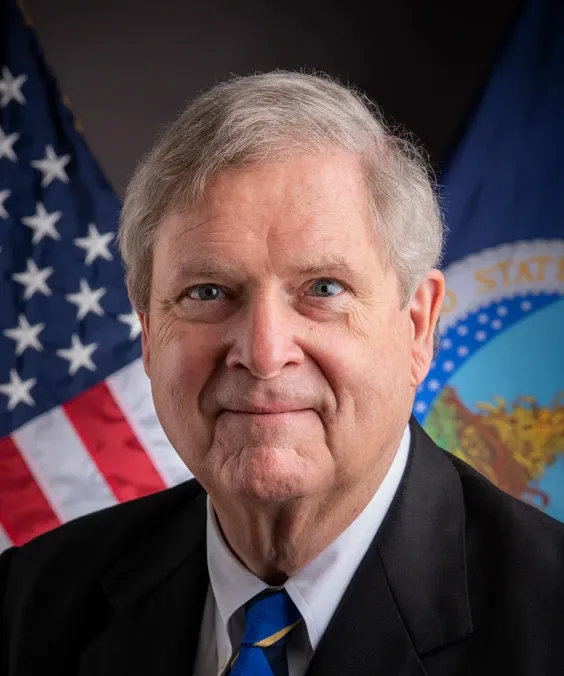
Tom Harkin is a former U.S. Senator from Iowa who served from 1985 to 2015. A member of the Democratic Party, Harkin was known for his advocacy on disability rights and health care reform. He played a significant role in the passage of the Americans with Disabilities Act and was a strong proponent of mental health services and education initiatives. Throughout his tenure, Harkin focused on issues affecting working families and rural communities in Iowa.
I wish to announce that the Committee on Health, Education, Labor, and Pensions will meet in executive session on Wednesday, May 22, 2013, at 10 a.m. in room 430 of the Dirksen Senate Office Building to mark-up S. 959, Pharmaceutical…
The National Labor Relations Board is the guardian of these fundamental rights.
our inland waterways are a large and crucial part of our Nation's transportation system and facilitate billions of dollars of economic activity each year. In Iowa, agricultural producers as well as other shippers depend upon transportation…
The majority does not rule anymore, and millions of working people are suffering as result.
Experience has proved that protection by law of the right of employees to organize and bargain collectively safeguards commerce.
Over 75 years ago, Congress enacted the National Labor Relations Act, guaranteeing American workers the right to form and join a union and bargain for a better life.
If you want the best, it costs something, in terms of the best scientists, the best brains, the best technologies, the best equipment.
I just wonder if it's not time. I ask my friends here to revisit this and to think about some new source of funding like that.
It's just again a reminder, I think to all of us, that there's just certain things we can't back down from.
That's very encouraging. Especially if you've got something that you know dosage-wise you can do for children, adults, pregnant women, all the different types of people that need this type of a vaccine.
Since fiscal year 2003, the end of the 5-year doubling effort, NIH funding has dropped in real terms by 22 percent.
Somehow, we've got to come up with this funding. Anybody else got a better idea, the door is open.
We've got to get more funding for NIH. We can't continue to go down this road.
I'm not going to turn this into politics. We want to be above politics. But we're going to have to deal with politics.
I'm concerned that when money gets that tight, there's a tendency to shy away from awarding ideas that are thinking outside the box.
The last question Senator Mikulski asked, I think Dr. Fauci, the question about the superbugs.
This year, fiscal year 2013, NIH funding will drop in actual dollars by $1.7 billion below last year's level, almost entirely because of sequestration.
This is a perilous moment for NIH and, indeed, for the future of biomedical research in this country.
There's got to be something there to make sure that those dreams are realizable, and that funding has to be there.
This sort of balanced approach is the only way NIH will have the resources it needs to realize the enormous scientific opportunities.
This sequester I think has a very deleterious, eroding, and corrosive effect.
That's all well and good, but we have a crisis on our hands with Alzheimer's, a real crisis.
Politicians like Tom Harkin