Mar 21, 2013
I thank the Senator and good morning, Mr. President. The ACTING PRESIDENT pro tempore. Good morning. The Senator from Hawaii.
The Public Record
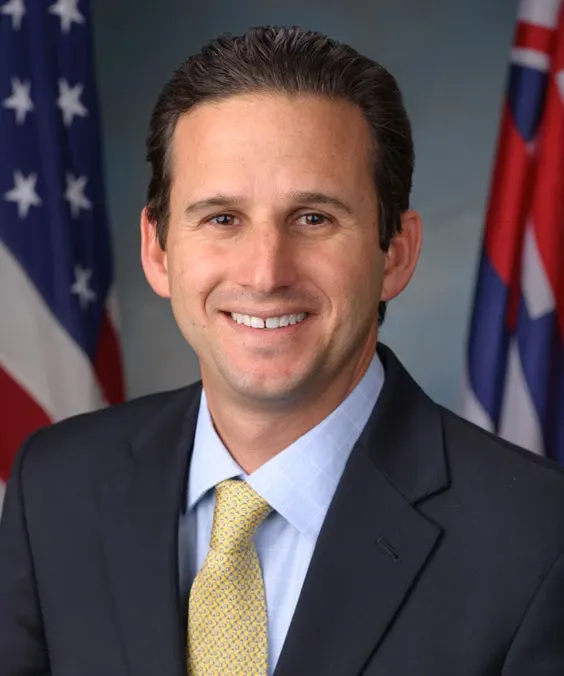
Mazie Keiko Hirono is an American attorney and politician serving as the junior United States senator from Hawaii since January 3, 2013. A member of the Democratic Party, she previously served in the U.S. House of Representatives from January 4, 2007, to January 3, 2013. Hirono is known for her advocacy on issues such as education, healthcare, and civil rights, often emphasizing the importance of public education and human rights in her public statements.
I thank the Senator and good morning, Mr. President. The ACTING PRESIDENT pro tempore. Good morning. The Senator from Hawaii.
Our country is a country of immigrants, and the success of the immigrants in this country is often the success of immigrants and their families.
This is all about doing the kind of immigration reform that really supports the values that we have in this country.
So you would say that at the very least, for those people who are here undocumented, that at the very least they should not be having to wait longer than those who are here with green cards to access certain services?
So with regard to health care, then, if we do, let us hope, comprehensive immigration reform, then we can take care of the prohibition in the Affordable Care Act that disallows non-citizens from even being able to purchase health insurance.
Perhaps this kind of an ultimate authority to overturn a decision should not rest in one person's hands who may not even have any kind of legal training.
Do you know whether all of this focus to change the culture, to provide the kind of support, education, whether that is working?
I think that this is a situation, another situation, where the actual underlying law and the authority probably needs to be addressed.
I think they should be involved, but on the other hand, should they be basically judge and jury?
Would all of you agree that removing the decision to go forward with either investigation or prosecution should be removed and should go to an independent authority and out of the chain of command?
It seems to me would this not point to the desirability of removing these kinds of decisions from the chain of command so that they would not feel political pressure to prosecute weak cases?
We must move in the right direction. Some of the suggestions that you made were, I think, steps that we should consider seriously.
There are some things, evidently, that we can learn from these other countries.
I could not agree with you more that we need to continue to make the investments in energy security.
Thank you for your quick action in changing the UCMJ regarding the convening authority's right to overturn decisions.
I hope that means that you will continue to support the efforts to modernize that shipyard so that they can conduct the kind of highly technical work that they do there.
I know that this committee has had numerous hearings on how we can facilitate and ensure that movement of marines happens in a way that is of benefit to both of our countries, not to mention what we need to do regarding Guam.
I think that's a very important strategy--for us to pursue energy, lessening the energy usage in DOD.
Would you say that one of the areas that we need to continue to focus on is the Futenma situation in Okinawa?
Again, I note in your testimony the challenge that you're facing... to process and analyze all the data...
I would welcome your thoughts on the facility as we go forward in these economically constrained times.
If we seek to influence events, we must listen to partner concerns and continue to demonstrate our support through tangible actions.
Politicians like Mazie Hirono