Feb 3, 2015
Mr. Welby, have you considered this concept in the context of your 'Third Offset Strategy'?
The Public Record
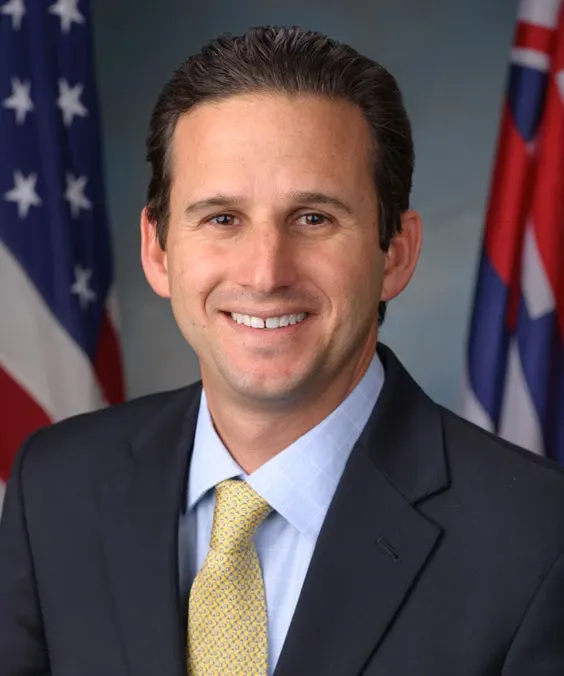
Mazie Keiko Hirono is an American attorney and politician serving as the junior United States senator from Hawaii since January 3, 2013. A member of the Democratic Party, she previously served in the U.S. House of Representatives from January 4, 2007, to January 3, 2013. Hirono is known for her advocacy on issues such as education, healthcare, and civil rights, often emphasizing the importance of public education and human rights in her public statements.
Mr. Welby, have you considered this concept in the context of your 'Third Offset Strategy'?
My hope is that the Navy continues to treat this national asset as a priority.
There are always issues relating to making sure that we are in concert with the concerns of the community.
We have to have ranges that support our ability to use our weapons and to maneuver the force.
Our strong Marine presence in the region plays a significant role in promoting the regional security and stability.
Can I expect that, if confirmed, you will continue to give ample consideration to our strategic position--and that, of course, includes Alaska--and to the importance of the rebalance?
I also know that you share my view that the rebalance to the Asia-Pacific is more than just rhetoric.
We want to make sure--and this is something that I know that Senator Sullivan shares with me--that the rebalance to the Asia-Pacific remains a very strong commitment on our part.
I just got information on the cuts that will happen to Pacific Command (PACOM) as a result of the budget necessities.
The most important thing I think the rebalance to the Pacific does is it provides a security infrastructure within which we could advance our National interests.
I would ask you to have a sense of urgency as you respond to this committee on how you are going to address and resolve the issue of retaliation.
If confirmed what measures will you consider for increasing retention of women in the military and achieving the diversity needed to mentor future female leaders?
If confirmed, will you commit to looking into our capability to defend Hawaii against such a North Korean threat, and keeping me informed of the progress in this important area?
What plan will be in place to ensure that individuals who can ill afford a disruption in care will not be materially harmed by having to wait to enroll in a new health plan until after they PCS?
Commissioners, when considering a transition to a new choice of commercial health plans, did the commission take into account the complexity and potential disruption dependents may face each time a Permanent Change of Station (PCS) occurs?
What I am still concerned by is: what financial cost can be anticipated for both the dependent and the military when these services are moved to commercial health plans for treatment outside of MTFs?
Did the commission evaluate the feasibility for implementing the robust frequency of financial literacy training you've recommended within the current training schedule of military units?
I do think that we need to have an honest discussion, a frank discussion on the revenue side of the picture.
So is sequestration going to negatively impact our ability to engage in these military-to-military programs?
I think Senator King also mentioned that we should be looking at the mandatory spending side of things.
The elephant in the room, which is basically congressional dysfunction and our inability to eliminate sequester.
Politicians like Mazie Hirono