Apr 9, 2018
The U.S. Immigration and Customs Enforcement has proposed a new extreme vetting initiative, which they have renamed visa lifecycle vetting.
The Public Record
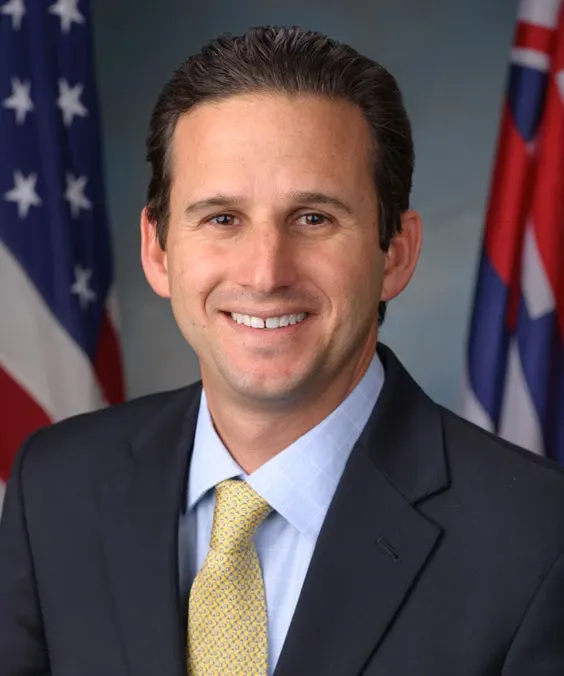
Mazie Keiko Hirono is an American attorney and politician serving as the junior United States senator from Hawaii since January 3, 2013. A member of the Democratic Party, she previously served in the U.S. House of Representatives from January 4, 2007, to January 3, 2013. Hirono is known for her advocacy on issues such as education, healthcare, and civil rights, often emphasizing the importance of public education and human rights in her public statements.
The U.S. Immigration and Customs Enforcement has proposed a new extreme vetting initiative, which they have renamed visa lifecycle vetting.
To me, this really underscores how important it is that we not create an environment where a missile strike comes our way to Hawaii, or anyplace else for that matter, because it is rather astounding to contemplate what might happen if…
As we sit here and have this really robust discussion, is there some kind of a technical problem with the military, the DoD and PACOM, pressing the button that sends the alert to everybody in our state?
This hearing presents a good opportunity to bring State and Federal officials together to work to regain the public's trust after such a traumatizing event.
The fact that the people of Hawaii and the hundreds of thousands of visitors in the State that day immediately presumed the missile originated from North Korea speaks to the broader concern about the potential for conflict and the threat…
That's why I think the legislation that's been introduced to make sure that ballistic missile threats are alerted at the Federal level is so important.
I share the sentiment that Senator Schatz initially stated, which is that maybe when it comes to natural disasters...
The false missile alert also made clear the need for improvements to the distribution side of our Emergency Alert System.
Our congressional delegation is of one mind in getting to the bottom of what happened and making sure that it never happens again.
Modernization of NC3 systems is critical to the reliability and safety of our nuclear deterrent.
Climate change is threatening Hawaii's future freshwater security through sea level rise because we have the water table, increasing temperatures, increased strata, et cetera.
I am all for streamlining the process so that things and decision-making, that does not have to happen consecutively can happen on a parallel course.
How important is it for the Department to consider public input and project alternatives when dealing with such a sensitive and important resource as water?
I think this would be really terrific for a state like Hawaii then, because it is seven inhabited islands, each with their own water systems and within their locality.
I can certainly understand Alaska's interest in being eligible for these grants as we in Hawaii have been interested in expanding eligibility to entities in our state as well.
I think we are going in the wrong direction. So I want to ask you, why are we doing that? Why?
This budget goes in totally the wrong direction by cutting 66 percent for renewable energy and energy efficiency and 60 percent for electric grid modernization.
I introduced the Next Generation Electric Systems Act last Congress was to support public-private partnerships.
I would like to see that kind of data and information presented to this Committee in the future.
It is the largest investment in these three areas ever made, but it isn't an investment unless the money actually materializes.
Based on everything we know about this Administration's views on climate change, it would comport with the view that words such as 'climate change' would not be included in press releases from your Department.
Politicians like Mazie Hirono