Jun 20, 2013
I rise to speak on my amendment No. 1504, cosponsored by Senators Murray, Murkowski, Boxer, Gillibrand, Cantwell, Stabenow, Klobuchar, Warren, Baldwin, Mikulski, Landrieu, Shaheen, and Leahy. I ask unanimous consent to set aside the…
The Public Record
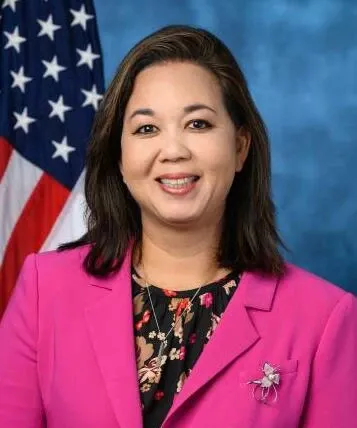
Mazie Keiko Hirono is an American attorney and politician serving as the junior United States senator from Hawaii since January 3, 2013. A member of the Democratic Party, she previously served in the U.S. House of Representatives from January 4, 2007, to January 3, 2013. Hirono is known for her advocacy on issues such as education, healthcare, and civil rights, often emphasizing the importance of public education and human rights in her public statements.
I rise to speak on my amendment No. 1504, cosponsored by Senators Murray, Murkowski, Boxer, Gillibrand, Cantwell, Stabenow, Klobuchar, Warren, Baldwin, Mikulski, Landrieu, Shaheen, and Leahy. I ask unanimous consent to set aside the…
the immigration bill clearly and inadvertently disadvantages women who are trying to immigrate to the United States. The bill, S. 744, reduces the opportunities for immigrants to come under the family-based green cards system. The new…
I believe we must fix the immigration bill to make it fairer for women. The bill proposes a new merit-based point system for allocating green cards to future immigrants. Simply put, the point system makes it harder for women than for men…
I believe hope and fairness lie at the core of what makes our country great. Fifty years ago, President Kennedy called on the country to embrace civil rights legislation that would end the unfair treatment of millions of people as…
I want to associate myself with the testimony of my colleague from Hawaii, Senator Schatz, in support of S. 690, the Filipino Veterans Fairness Act.
I believe it is important that veterans are given proper compensation for the sacrifices made in service to our country.
I also wish to speak in support of S. 868, the Filipino Veterans Promise Act, I cosponsored with Sen. Heller.
It is important that the Federal Government be a model employer of veterans.
This bill would ensure that religious symbols, regardless of affiliation, are allowed to be part of military memorials.
General Dempsey, General Odierno, Admiral Greenert, General Amos, General Welsh, and Admiral Papp, after the initial training, how often is it repeated as these servicemembers progress in their careers?
Servicemembers are protected from reprisal and retaliation under the provisions of section 1034 of title 10, U.S.C.
Unless and until we professionalize the military justice system, and afford servicemembers at least the same access to legal redress that civilian victims have, including critical access to civil suits, we will not change this culture.
Politicians like Mazie Hirono