Mar 24, 2015
Our responsibility to provide that care extends to those who are deployed and to those at home.
The Public Record
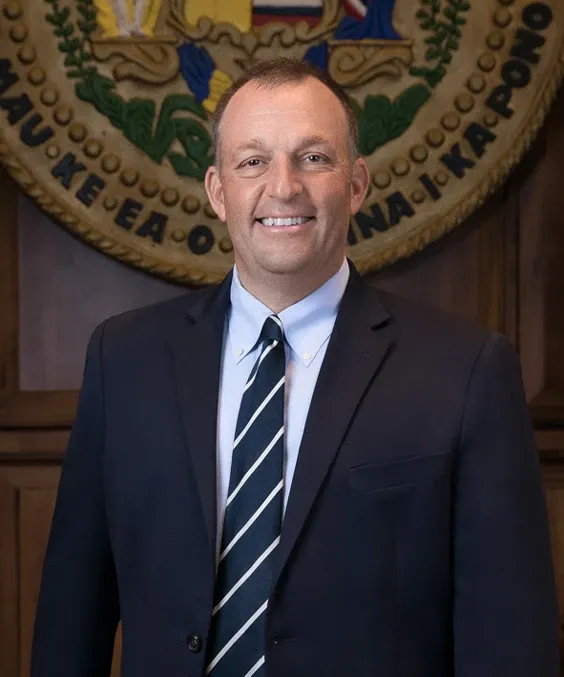
Brian Emanuel Schatz is an American politician serving as the junior United States senator from Hawaii since December 26, 2012. A member of the Democratic Party, Schatz has focused on issues such as climate change, healthcare, and education during his time in office. He succeeded Daniel Akaka and has been an advocate for renewable energy and environmental protection, reflecting Hawaii's unique ecological challenges and opportunities.
Our responsibility to provide that care extends to those who are deployed and to those at home.
Eliminating this stigma is critical to giving servicemembers and deployed civilians the resolve they need to take advantage of the care they need to become whole again.
It is obvious that if a landowner is to have full enjoyment of the land, he must have exclusive control of the immediate reaches of the enveloping atmosphere.
Importantly, there appears to be no speed limit for recreational drones, and no prohibition on flying over people.
There would be no prohibition on flying a 54 pound drone 10 feet above a ball field as fast as you want.
It's hard to imagine that President Obama or House and Senate Democrats would agree to legislation that would undermine the basic principles of net neutrality.
I think it's important in the digital age to remember that books matter, libraries matter.
How far along, how mature are your processes and procedures? How mature are you in your hiring?
So, what is your long-term vision on building the digital collection, and how is that reflected in the budget request?
If you could talk about how important that headquarters is with respect to the Asia-Pacific pivot when it comes to the Army?
You still have a fixed cost that you are going to have to distribute among however many marines that are on Guam.
When I asked him if there was sufficient lift capability in the region to support the potential lay-down, he was pretty crisp. He said no.
Can you just confirm for the subcommittee that all of those projects and any other projects will be completed before the inauguration?
I'm interested to learn how the Library plans to build and improve upon its digital capacities to best fulfill its historic mission.
Libraries aren't dusty museums that the Internet left behind. They are living, breathing, and growing institutions that deserve our investment.
Can you give me an example of some of the synergies? I'm wondering if there are economies of scale operationally?
I support and many others support adjusting those caps to a more responsible level.
But there would be fewer officers on patrol, less money for training, if any money for training.
I find these increases to be totally reasonable, but not fundable unless we deal with the sequester.
You keep us safe. You keep the place running. You make the Senate the Senate, and we are all very, very appreciative of the work that you do.
Your three agencies work closely to make sure that the Senate can operate safely, openly, and efficiently.
Politicians like Brian Schatz