Feb 11, 2015
How many have grown out of that, though? Every time you kill one you get 10 or 20 more that join the cause. So are we winning?
The Public Record
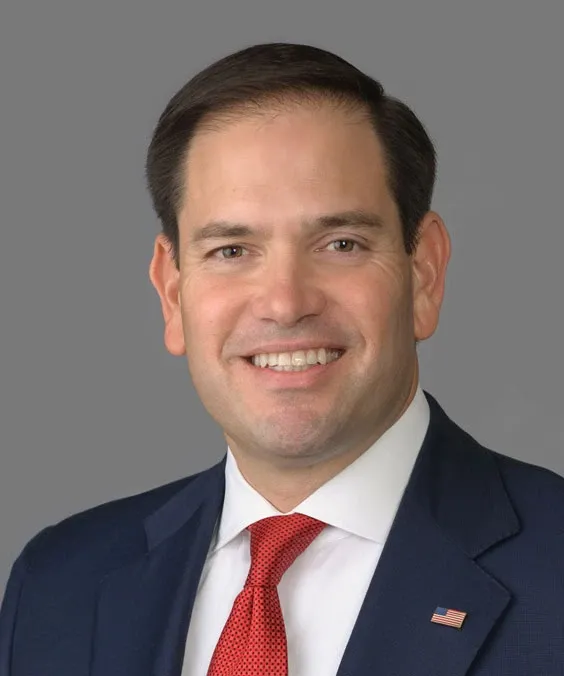
Ted Yoho is a former U.S. Representative from Florida, serving in the House from January 3, 2013, to January 3, 2021. A member of the Republican Party, Yoho represented Florida's 3rd congressional district. During his time in office, he was known for his focus on issues such as healthcare, agriculture, and fiscal responsibility. Yoho was also a member of the House Freedom Caucus, which advocates for limited government and conservative principles.
How many have grown out of that, though? Every time you kill one you get 10 or 20 more that join the cause. So are we winning?
I agree with that statement. I am not going to go into the Cuba debacle right now. Our whole process in the Middle East has to change because where do the ISIS come from?
American exceptionalism isn't about strategic patience right now. American exceptionalism is about instilling fear in an element that does not respect weakness.
Our policy should be based on science, and it is what our policy should be based on.
I hope that we put a lot of emphasis on the assistance to other nations instead of money, we look at ways of giving trade, not aid.
Florida without oranges would be like, for those old enough to remember, Sears without Roebuck.
I want to commend you on implementing so much of the farm bill so fast, especially the emphasis put on citrus.
Transparency in government is an important facet of democracy and a pillar of principle with the current Administration.
I hope you stand strong on WOTUS, especially with our agricultural income down 25 percent.
If, for example, the General Assembly has gone beyond its role under the United Nations charter and is creating countries, that counts very powerfully for seriously revisiting funding to the United Nations as a whole.
That money is our taxpayers' money that we are giving in good faith. So if we are going to do that, I want the results for that or I don't want to support giving that money to them.
To me, that is unacceptable. And where I come from, people don't want any money going there, especially if we are getting it in the name of peace and we are not accomplishing that.
I look forward to hearing from the panel with concrete suggestions on how we can change our policy so we don't have this meeting next year talking about the same things.
Achieving a state through unilateral measures has failed, and it will always fail.
With the rhetoric coming out, the extinction of Israel, the death of the Great Satan, the Little Satan, Israel, one bomb nation, the end of Zionism and all the other rhetoric that comes out of there, I have to believe what they say is they…
Let me tell you what I have heard over the last 2 years, my first term in Congress.
And I don't see that we got really a whole lot out of beginning these negotiations.
Take me back and kind of a review for maybe the new people and myself of why we started the negotiations?
What are we doing as a nation to protect when that point comes? What are we doing to prepare for that next phase?
If it looks like a duck, walks like a duck, smells and quacks like a duck, it is probably a duck.
I want to know what parallels there are between North Korea and where we are with Iran right now in the nuclear so we don't make the same mistakes.
What was the original intent of the nuclear talks and the agreement? Wasn't it to get away from nuclear proliferation and get into energy production in North Korea?
I think it would behoove the American Government, the American people, and improve our national security if we drew some lines and said, if you cross this line, this is considered an act of war.
At what point were there triggers or signs that we knew they weren't staying true to their mission to get away from nuclear proliferation?
Politicians like Ted Yoho