Sep 9, 2019
I think the average person, the average American understands that when you have a more fuel-efficient vehicle or an electric vehicle, you are going to save money at the pump and there are significant health benefits.
The Public Record
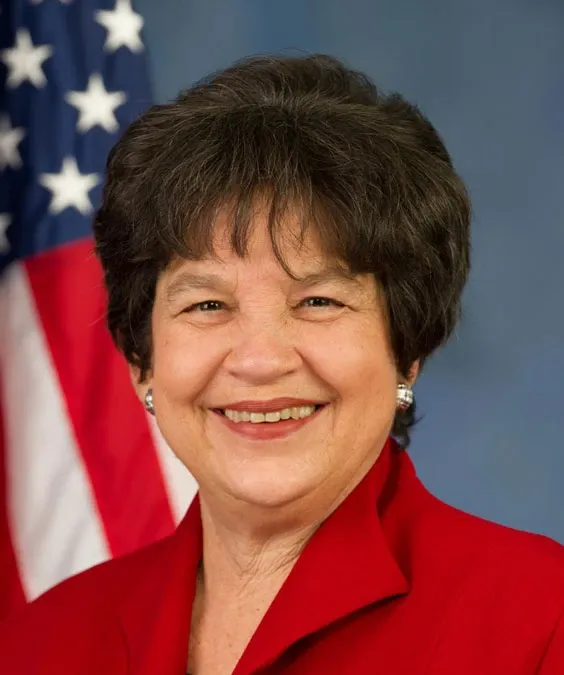
Kathy Castor is a U.S. Representative for Florida's 14th congressional district, having served since January 4, 2007. A member of the Democratic Party, she has been an advocate for various issues, including healthcare, education, and environmental protection. Throughout her tenure, Castor has worked on initiatives aimed at improving access to healthcare and addressing climate change. She has also focused on education reform and supporting local communities in Florida.
I think the average person, the average American understands that when you have a more fuel-efficient vehicle or an electric vehicle, you are going to save money at the pump and there are significant health benefits.
As we transition to a low carbon economy, we need to make sure that the tools for that transition, such as electric vehicles, energy efficient products, and wind turbines are made right here in the good old USA.
We can build on America's competitive edge in innovation, we can help America's workers tap into that market, or we could let China eat our lunch.
Ms. Lipman, you highlighted that everyone understands how the Trump administration is trying to roll back fuel economy standards. There is a huge fight on.
A lot of the ideas on solving the climate crisis are not going to come from Washington, D.C.; they are going to come from the private sector, experts, academics, advocates all across the country.
One of the most important things we can do as policymakers is make sure that clean technology can move from the lab to the market.
We need to build on what is working in states and communities across this great country.
I look forward to working with you to ensure that we can develop a government response or perhaps proactive approach to resiliency that our Nation deserves.
The alternative isn't just unacceptable, it's dangerous and very costly to everyone.
Experts say that we should be investing more to avoid disasters in the first place.
the EU has set clear and coherent emissions reductions targets and goals consistent with the Paris Agreement.
Climate change is impacting our economy now, not 50 years down the road. Now.
I think it is clear that we need to raise the consciousness of the American people, businesses, and hardworking folks about the escalating risk in cost of the climate crisis.
The world's largest businesses estimate that they face nearly a trillion dollars of climate-related risks.
In 2017, the U.S. faced the highest single total cost related to extreme weather events on record, totaling over $312 billion.
2017 and 2018 were the costliest back-to-back years for weather disasters ever recorded.
Politicians like Kathy Castor