Oct 21, 2019
the use of cultural burning, but also making sure that we use proper logging techniques, to create uneven aged stands of forest
The Public Record
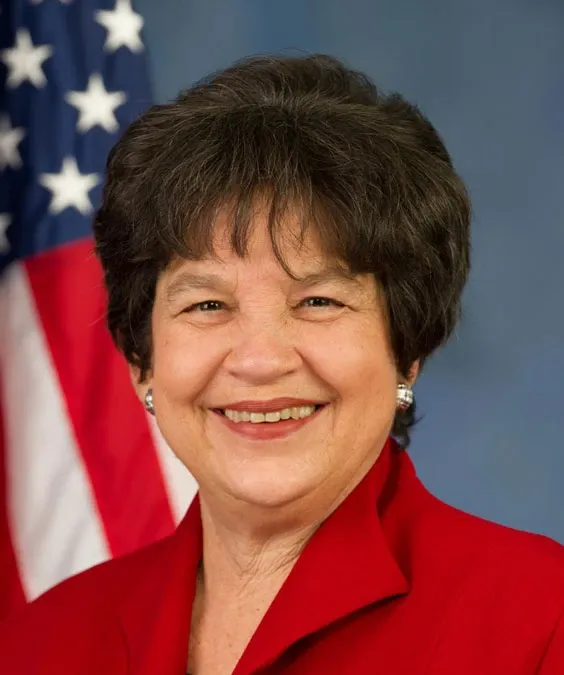
Kathy Castor is a U.S. Representative for Florida's 14th congressional district, having served since January 4, 2007. A member of the Democratic Party, she has been an advocate for various issues, including healthcare, education, and environmental protection. Throughout her tenure, Castor has worked on initiatives aimed at improving access to healthcare and addressing climate change. She has also focused on education reform and supporting local communities in Florida.
the use of cultural burning, but also making sure that we use proper logging techniques, to create uneven aged stands of forest
We have to explore every opportunity we have to keep carbon pollution out of the air and reduce climate risks.
the Arctic now in winter is releasing carbon dioxide, making it a source of carbon
But the earth is warming, the Arctic carbon deep freeze is breaking, and that is one of the reasons that we have all got to work together to follow the science and develop bipartisan climate solutions to tackle the climate crisis.
America's forests, grasslands, wetlands and agricultural lands can store more carbon.
I co-chair the House Oceans Caucus and the Congressional Estuary Caucus, and I am working on legislation to strengthen, restore, and protect our wetlands, to store blue carbon.
I think we tend to talk too often about government solutions, which are important--and I agree with you, it is critical--but our climate crisis is, in the first instance, a market failure.
Well, it is not business as usual anymore; it is about carbon reduction. And in order to the avoid the worst impacts of the climate crisis, we have to act with urgency.
He was a champion for the people, an outspoken advocate for fairness, equality.
So that is our challenge moving forward, to craft policies that reduce carbon pollution, build resiliency, reduce risk, create jobs, and make sure that the burden is properly placed.
Of course, we must also work to make sure our homes and buildings don't end up as storm debris, and that starts by making them resilient to the physical impacts of climate change.
the climate crisis is causing an unfortunate and stunning impact to the loss of bird species.
I would like to remind everyone that the Select Committee on the Climate Crisis currently has a request for proposals, a request for information out.
We need nothing short of an ambitious national plan to make sure new buildings are net-zero energy.
Congress should prioritize policies that together can address all of those challenges and make the greatest impact to increase energy efficiency in the building sector.
Now we must step up to help them. An ambitious national plan for cleaner, stronger buildings requires national leadership.
I think this is a really important topic when we are talking about the climate crisis and where we need to get to.
the U.S. remains the clear leader in the deployment of carbon capture, the commercial use of captured carbon and its safe and permanent geologic storage.
Our job on this committee is to try to fill the policy void left at the national level by the president.
On behalf of the United Steelworkers (USW), I would like to thank you and the members of the select committee for holding this week's hearing on the issue of industrial greenhouse gas emissions and the climate crisis.
I would like to remind everyone, we do have a request for information that is out.
Thank you, Chairwoman Castor, Ranking Member Graves, and distinguished members of the select committee, for inviting me to testify and for your leadership in focusing on climate change.
Politicians like Kathy Castor