Jul 6, 2009
We are essentially competing with Islamist groups for the loyalty of these people, and we are losing.
The Public Record
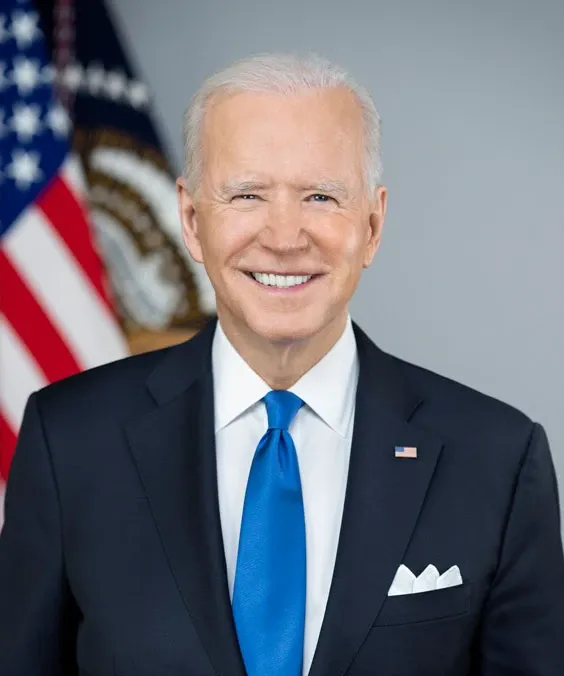
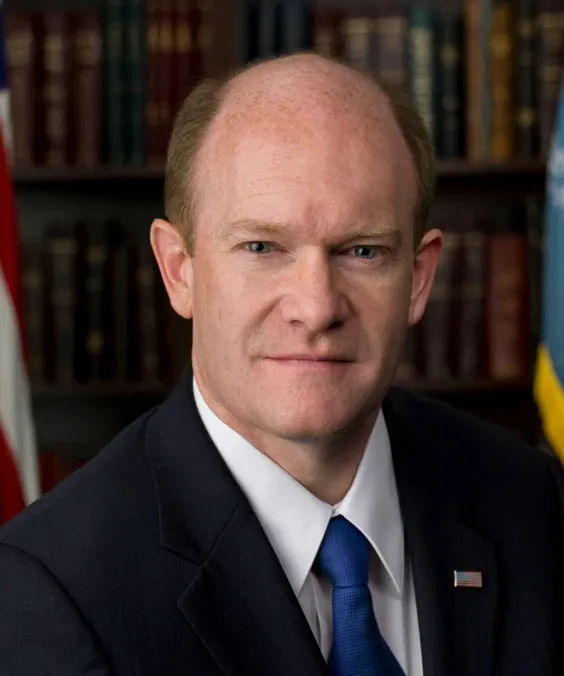
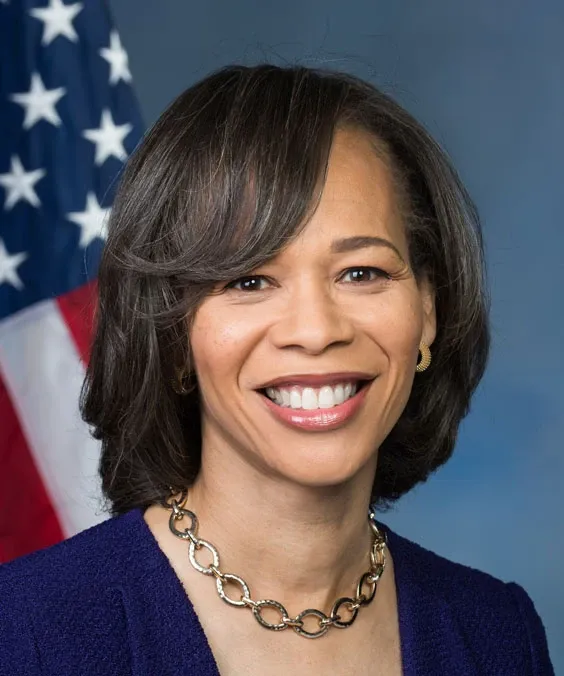
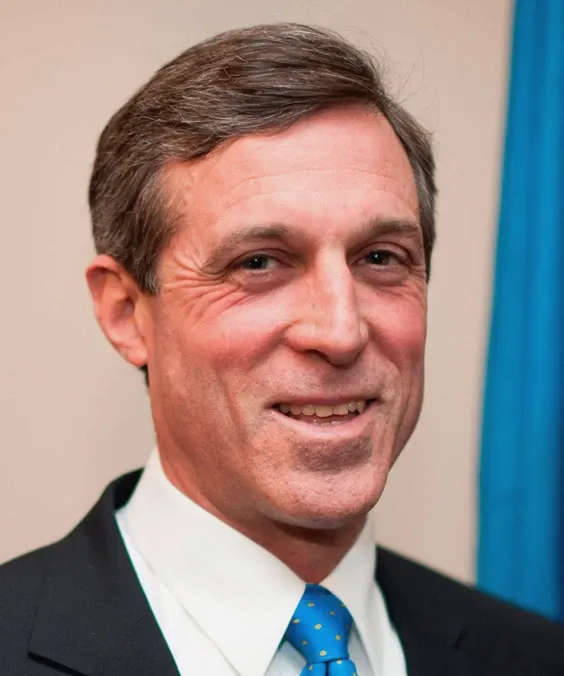
Tom Carper is an American politician currently serving as the senior United States senator from Delaware, a position he has held since January 3, 2001. A member of the Democratic Party, Carper has focused on various issues including healthcare, environmental protection, and fiscal responsibility throughout his career. He previously served as the Governor of Delaware from January 21, 1993, to January 2, 2001, and as a member of the U.S. House of Representatives from January 3, 1983, to January 21, 1993.
We are essentially competing with Islamist groups for the loyalty of these people, and we are losing.
What has been the level of cooperation between U.S. agencies and their counterparts in the Pakistani Government to ensure oversight and accountability over U.S. funds?
There is no better demonstration of this than the recently passed Kerry-Lugar bill.
I think the key is not simply in making this a linear equation between opening up the dialogue between India and Pakistan and getting Pakistan to focus on militancy.
To the extent that the Pakistani military has driven out the bad guys and gotten them on the run--we have a lot of people displaced.
In this regard, Congress should move quickly to reconcile the two separate pieces of Pakistan legislation that have recently passed the House and the Senate to demonstrate the U.S. commitment to a long-term partnership.
I believe the President's combined civil-military strategies are our best hope to turn the tide in Afghanistan and Pakistan.
The longer-term goal really must be to strengthen both Pakistan and India so that they can achieve their economic potential.
I think really a key to this is the legislation that we have discussed, the commitment of not just $1.5 billion per year, but over a 5-year period of assistance.
I am going to ask you to try and be brief; we are going to start voting in about 5 minutes.
It is good to get out of sometimes the mentality of nuclear security as the nuclear security people look at that.
It has been fascinating for me just what my colleagues have discussed that directly pertains to the ultimate effectiveness of nuclear security.
the plight of the refugees is more important right now than any military operation.
I like to look at things in terms of the most likely course of action and the most dangerous course of action.
The last issue I want to discuss is, if you will, the safeguarding of Pakistan's nuclear arsenal.
what we need in Pakistan is not a Musharraf policy, we need a Pakistan policy.
the United States is going to have to play a very large role in assisting the Pakistanis with counterinsurgency training, with equipment, more helicopters.
And I am not sure that other countries to whom we provide aid or assistance are all that interested in allowing us, through transparency, to actually know how the money is being spent.
It would be devastating if, just as the international community is getting its act together and implementing a winning strategy, the Afghan people lose faith in the democratic process because of a flawed election.
It is not cheap. It costs us billions of dollars to build a new nuclear power plant. But they are pretty good in terms of how much carbon dioxide they put out.
Politicians like Tom Carper