Mar 20, 2013
We should do a top-to-bottom review of the Department and try to figure out how we go about reauthorizing the Department.
The Public Record
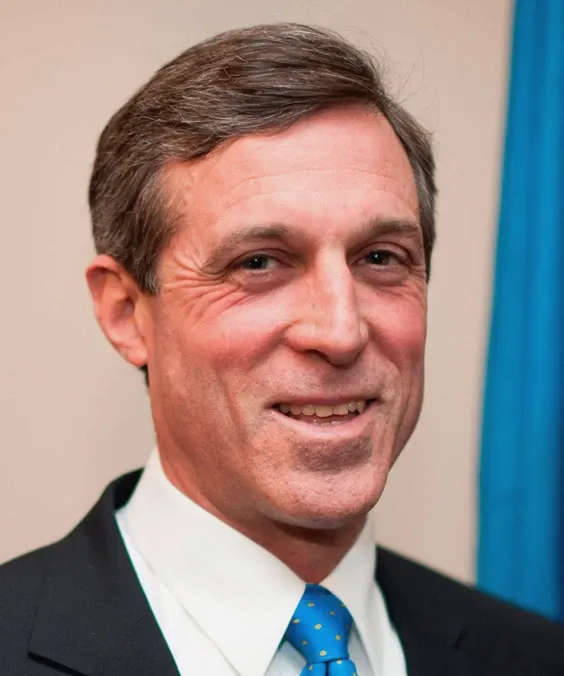
Tom Carper is an American politician currently serving as the senior United States senator from Delaware, a position he has held since January 3, 2001. A member of the Democratic Party, Carper has focused on various issues including healthcare, environmental protection, and fiscal responsibility throughout his career. He previously served as the Governor of Delaware from January 21, 1993, to January 2, 2001, and as a member of the U.S. House of Representatives from January 3, 1983, to January 21, 1993.
We should do a top-to-bottom review of the Department and try to figure out how we go about reauthorizing the Department.
I love to do customer calls, and my guess is Dr. Coburn and Senator Pryor also do this back home.
When you jammed together 22 different agencies 10 years ago, different cultures, different financial systems, different accounting systems, it is not easy.
We must seek to recapture that spirit of unity that prevailed 12 years ago today
The threat is too great and the consequences of inaction are too severe to do nothing.
I think we have just a renewed spirit of cooperation and collegiality. I hope it extends beyond this week, and I am encouraged that it will.
What do we need to be doing here to support those activities so that those thousands, tens of thousands of people we deployed on the border can be more effective.
I supported the immigration reform bill. I did so. I was not convinced that we really need to add 20,000 Border Patrol officers down on the border given how many we have there.
We think that is part of creating a nurturing environment for job creation and job preservation.
We will be penny wise and pound foolish if we do not continue to invest in DHS' management support functions.
We are not in this by ourselves. It is not just the Federal Government. It is not just State or local government. It is just government. We are all in this together, so that is good.
Mr. President, there are about six or so departments that do not have a permanent, confirmed Inspector General.
We have passed in the Senate and we expect the House to adopt today a budget resolution that carries through the end of September.
I do not mind paying taxes. Some people say, I do not even mind paying more taxes. I just do not want you to waste my money.
Dr. Gilfillan, thank you so much for assuming these responsibilities for our country. The work that you are doing, the work at the Innovation Center, is just so important.
The only people that do not make mistakes are the people that do not do anything.
What can we be doing at the Federal level to make the rest of this team, including State and local governments, including emergency responders, including insurers, what can we do, what should we be doing in addition to what we have already…
I would just urge that there be a good exchange of information between your staff as you staff up and the work that has been done by his investigators.
I was down along the border of U.S. and Mexico in Arizona with Senator McCain.
Thank you again for the opportunity to testify today. I look forward to answering any questions you may have.
How do we measure success? Is it the number of folks we apprehend trying to get into the country illegally?
Politicians like Tom Carper