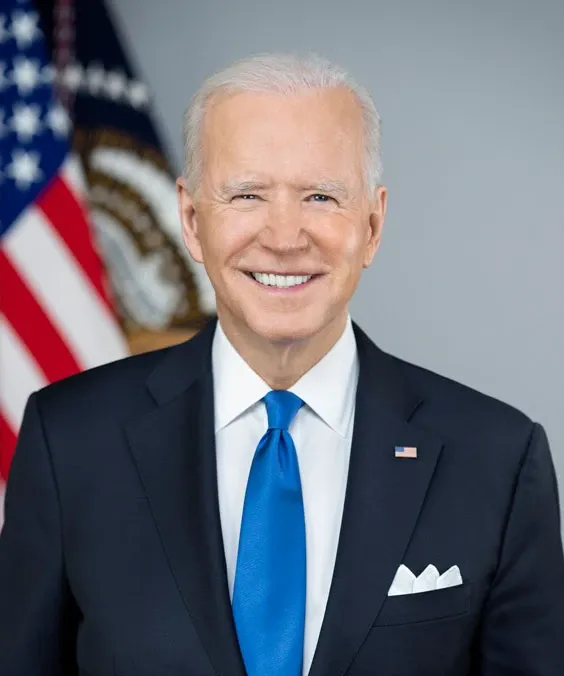
On the recordJuly 24, 1997
I want to thank first of all the chairman and the ranking member and all the members of the subcommittee for the excellent work they did under difficult budgetary restraints, and I want to particularly comment favorably upon their treatment of my home State of Delaware. However, I would like to point out a short-term and potentially long-term problem in the small community of St. Georges, DE. As the chairman knows, this Congress has recognized on a number of occasions that the United States has an ongoing legal obligation to provide good and sufficient crossings over many of our Nation's canals with ownership and operation bestowed upon the Army Corps of Engineers. Currently, the Army Corps owns and operates four such crossings over the Chesapeake and Delaware Canal in Delaware, including two crossings at St. Georges. The Army Corps has notified the State of Delaware of its plan to close and remove one of those crossings, the St. Georges Bridge, at a cost of $20 million and without any consideration to my constituents or the taxpayers of this country. I believe this plan is shortsighted and is being implemented without congressional consent from either the gentleman's committee or the authorizing committee which has jurisdiction.
Source
govinfo.gov