Jun 5, 2012
Thank you very much, Mr. Cole, for your service, for your leadership, and for your testimony before us today.
The Public Record
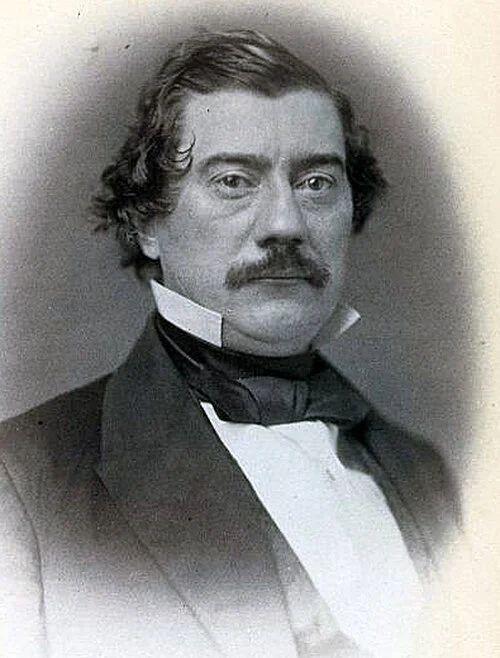
Chris Coons is a United States Senator from Delaware, serving since 2010. A member of the Democratic Party, Coons has been involved in various Senate committees, focusing on issues such as foreign relations, judiciary matters, and small business. He is known for his advocacy on topics including military policy and legal transparency in government actions. Coons has also been active in promoting bipartisan efforts in the Senate.
Thank you very much, Mr. Cole, for your service, for your leadership, and for your testimony before us today.
Thank you, Senator Sessions. I think your personal experience and your passion for this is obvious and contributes significantly to this discourage today.
If the main thing that Mr. Cole points to is policies, training, compliance, access to more seasoned attorneys in close calls, would you suggest...some voluntary action by the Department of Justice to change or strengthen their recognition…
So if I could summarize, there is no uniform, routine audit process, but there are so many different ways in which challenges are presented, whether judicial, opposing counsel, postconviction if that is the outcome, that you are confident…
Senator Durbin called me personally before we began here today to ask me to express his personal regret at not being able to chair this hearing today.
If I could, each of you has made reference in some of your answers and in the introductions to your previous service...
I look forward to the day when Senator Kirk... is able to resume his work here in Washington.
I think the area we have to focus on here--and we are in discussion--with China is with respect to domestic controls...
I just wanted to follow up briefly with some questions since I have an opportunity to meet with folks who might be relevant...
Thank you, Chairman Kerry, for calling this hearing, and thank you to our witnesses for everything you are doing.
I know that my ranking minority, Senator Isakson, and I reflect what is a broad community across the House and Senate, Republican and Democrat, who care deeply about Africa and who welcome your effort to make certain that we put…
I was left haunted by the destruction to God's creation caused by human conflict.
I just have to question your assertion that... U.S. accession to the Convention has become essential to the successful execution of the Navy's global mission.
Secretary Panetta said clearly at the last hearing we never give up our right to self-defense.
The real risk we face is letting others draw boundaries, set rules, and advance their economic interests without the United States having a seat at the table.
Freedom of navigation operations, which are provocative to nations, some of which are our allies, some of which are our opponents, have steadily increased in number, in seriousness, in cost and complexity over recent years.
If the United States did not contest an excessive claim through either routine or special freedom of navigation operations, are we at some risk that that would set a new precedent?
There are real benefits to the United States in terms of navigational rights I would like to focus on.
The entire dangerous, risky, and provocative process could be avoided in some circumstances by ratifying this treaty and being able to contest excessive claims in the ways it allows us to do.
So when we have successfully reasserted customary international law and leave a contested area, do these other nations sometimes then reassert their excessive claim?
I am concerned that the debate over this treaty is locked in a framework that is decades out of date.
The real risk we face is that we are letting others draw boundaries, we are letting others set rules, we are leaving our economic interests out of the fight, and we are putting our national security interests at risk by failing to ratify…
Politicians like Chris Coons