Dec 4, 2012
We have to keep certain things in mind. One of them is the connection with Libya.
The Public Record
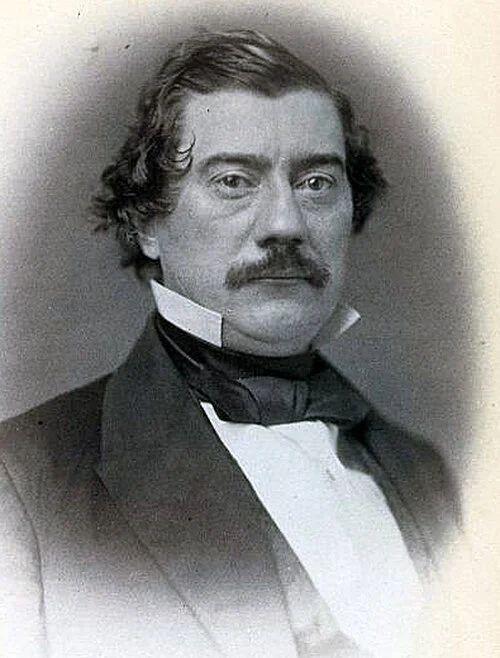
Chris Coons is a United States Senator from Delaware, serving since 2010. A member of the Democratic Party, Coons has been involved in various Senate committees, focusing on issues such as foreign relations, judiciary matters, and small business. He is known for his advocacy on topics including military policy and legal transparency in government actions. Coons has also been active in promoting bipartisan efforts in the Senate.
We have to keep certain things in mind. One of them is the connection with Libya.
We do need to concentrate on decentralization and making connection between government delivery of services and the individual at the community level.
But we don't think that the movement toward the restoration of democracy should be held hostage to a complete military victory in the north.
The United States has played a significant role in Africa in many areas where there were problems.
I think it has to be rooted in democracy and social justice and good governance inside every African country.
The United States firmly believes that Mali's interim leaders must continue preparations in earnest to hold elections in this timeframe simultaneous with efforts to restore territorial integrity.
I'd like to thank our first panel. I'm mindful of the time. We have a four-member second panel. Senator Isakson and I, I know both, are very concerned about and interested in this and will follow up with each of you...
There are difficult choices for the government there involved between guns versus better types of decisions.
I hope that will contribute to an ongoing process of trying to expand the range and scope of testimony included in these hearings.
We . . . recognize that an African-led, multinational force, supported by the international community, may be necessary to assist the Malians to dislodge extremists from the north.
Can we afford to wait what may well be a year for planning, training, assembly of a regional force for the completion of negotiations for a successful election?
The north must be included because we believe that, aside from the AQIM threat, there is a legitimate concern that people in the north have not benefited the way people in the south have from education, from health care, infrastructure.
We should not hold the continued movement toward democracy hostage to the success of the military operations.
I also have concern anytime al-Qaeda takes advantage of a vacuum or flows into an area because of poverty or because of lack of governance.
We urge the interim government to find ways to effectively address northern grievances in a peaceful manner.
I don't think that level of resourcing was commensurate with the threat either.
The proximate cause of the coup in many ways was a series of military defeats, and the capacity of the Malian Armed Forces is a critical first step.
I urge the United States to press for a strong human rights component within this military intervention.
But the suggestion that we should have an area the size of Texas controlled by terrorists who are engaged in drug trafficking, kidnapping, that have had an inflow of some sophisticated weaponry from Libya is to some quite concerning.
Mali is a country in crisis, and when one looks at the human development index, Mali is a country that ranks in the bottom dozen.
A response to any one of these challenges must not be dependent upon the achievement of another.
Politicians like Chris Coons