Mar 21, 2023
The first set is posed by our strategic competitors--the immediate, acute threat posed by Russia's autocracy and aggression, most destructively through its brutal war against Ukraine.
The Public Record
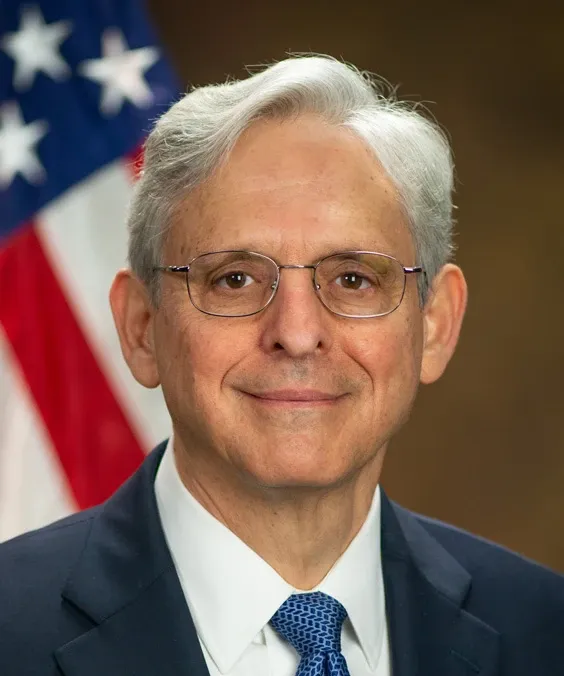
Antony Blinken is the 71st United States Secretary of State, having been appointed by President Joe Biden in January 2021. A member of the Democratic Party, Blinken has played a significant role in shaping U.S. foreign policy, focusing on issues such as international alliances, climate change, and global security. He previously served as Deputy National Security Advisor and Deputy National Security Advisor during the Obama administration, where he was involved in key diplomatic initiatives, including the Iran nuclear deal.
The first set is posed by our strategic competitors--the immediate, acute threat posed by Russia's autocracy and aggression, most destructively through its brutal war against Ukraine.
Keeping our promises to those who served with us remains an unwavering priority.
The United States has a positive vision for the future: a world that's free, secure, open and prosperous.
I committed to doing my part to try to restore Congress' place as an equal partner in our foreign policymaking.
We need an additional number of civil and foreign service employees to scale up the Indo-Pacific strategy, and to out-compete China.
We have significantly increased our own contributions, as you know, we provided about $13.5 billion going back to the Russian aggression over the course of 2022.
We have seen President Zelenskyy go at challenges of corruption, or misuse of funds in the government with a sledgehammer.
The GEC, for us, is a critical tool in actually being able to deal with that.
Haven't we now reached a point where, frankly, we have to understand we are entering a period of geopolitical competition bordering on conflict?
We are still the largest humanitarian donor, you know, especially with all of the investments that the American people, and American soldiers, and others have made over the years.
We need more people to address some of these emerging priorities and emergencies.
We will be making those reports available, sharing that information with Congress within the next three weeks.
We fundamentally elevated the Pacific Island countries in our foreign policy and in our diplomacy.
We have a proposal for $400 million to counter specific actions by China that counter our interests in the Indo-Pacific and beyond.
The strategy will focus, not just on the security aspects, but on promoting political engagement, on promoting economic cooperation.
We have worked from day one to do two things, foundational things: One is to support important investments in ourselves.
This budget will sustain our security, economic, energy, and humanitarian support for Ukraine to ensure President Putin's war remains a strategic failure.
If we don't lead efforts to take on these challenges, the People's Republic of China and Putin are ready to step in.
We have had an almost perfect storm that has built up between climate change, between COVID, and of course conflict, and now, exacerbated dramatically by Russia's aggression against Ukraine.
We have been, even since the withdrawal from Afghanistan, and ending the war, the largest single humanitarian contributor to Afghanistan.
Politicians like Antony Blinken