Feb 1, 2022
Encouraging more people from every background to go into farming is also key to ensuring we have a strong agricultural system for many decades to come.
The Public Record
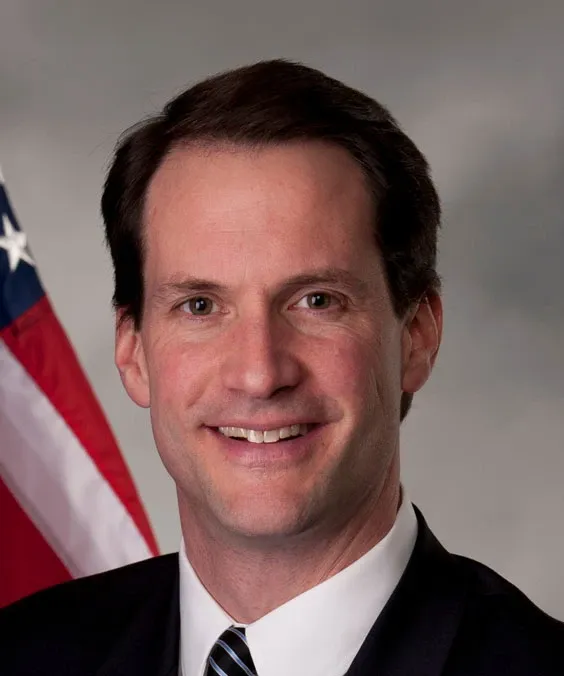
Jahana Hayes is an American politician and educator currently serving as the U.S. Representative for Connecticut's 5th congressional district since January 3, 2019. A member of the Democratic Party, she made history as the first African American woman to represent Connecticut in Congress. Prior to her election, Hayes was a high school history teacher and was named the 2016 National Teacher of the Year, highlighting her commitment to education and advocacy for students.
Encouraging more people from every background to go into farming is also key to ensuring we have a strong agricultural system for many decades to come.
Supporting our new and beginning farmers who are in the first 10 years of operation is key to cultivating the future of American agriculture.
How can Congress reduce barriers for underrepresented farmers--for young, BIPOC, minorities farmers.
I am particularly interested in how Congress can reduce barriers for underrepresented farmers, for young BIPOC minority farmers.
As stated in my written statement, current make allowances are based on 2006 and 2007 costs which are now more than 15 years old.
We support enhanced funding for EQIP as well as better targeting the program toward areas of opportunity for dairy.
I hear from producers in my district, most of whom are small, family-owned operations, that they lack the capacity to interface with Federal assistance programs.
We ask that you include this additional critical funding to ensure food-insecure families can put food on the table.
Increased SNAP costs are also due to continued COVID-19 relief, which is tied to the end of the public health emergency.
SNAP is also a highly responsive means-tested program, which serves as a stabilizer in times of economic downturn.
It is clear that SNAP works, and it works for our entire economy from farmers to consumers.
One in eight Americans were not sure they would be able to put food on their tables, one in eight Americans.
USDA research has found that veterans in particular face a greater risk for food insecurity than non-veterans.
I believe wholeheartedly in the mission of SNAP, the life-changing impact it has on recipients.
SNAP is a highly responsive program which serves as a stabilizer in times of economic downturn.
The 2023 Farm Bill will not be like any other farm bill. It will be a seminal historic piece of legislation.
Last year, USDA announced that it would be investing $464 million into projects to build and improve renewable energy infrastructure and to help rural communities, agricultural producers, and businesses lower energy costs.
Our farmers are passionate about the expansion of USDA conservation programs, and increasing access for small and beginning farmers.
My district is a leader in climate-smart agriculture. Our producers run small, diversified farms and often use ecofriendly practices.
Title I subsidies, along with non-farm bill assistance programs, are a critical economic safety net for the farmers in my district that can access them.
In my first year in Congress, I co-led the Clean School Bus Act of 2019 (H.R. 3973) with now Vice President Kamala Harris.
Outside of this Committee, I have worked tirelessly to expand access to electric vehicles.
Politicians like Jahana Hayes