Feb 28, 2011
I am sure we can all agree that our immigration system should be designed to benefit our country, our economy, and all American workers.
The Public Record
Zoe Ellen Lofgren is a member of the United States House of Representatives, representing California's 19th congressional district since January 3, 2013. A member of the Democratic Party, Lofgren has served in Congress since January 6, 1999, making her one of the longest-serving members of the House. Throughout her tenure, she has focused on various issues, including trade, technology, and immigration reform. Lofgren has been an advocate for American jobs and has emphasized the importance of international trade, particularly with China.
I am sure we can all agree that our immigration system should be designed to benefit our country, our economy, and all American workers.
Unfortunately, no one on the other side of the aisle joined me in that effort.
the prospect of job displacement has been used by immigration restrictionists to really drive a wedge between African Americans and Latinos in the United States.
the polling shows that the American people overwhelmingly support comprehensive immigration reform.
I live in Silicon Valley, and I know that if we want prosperity in this country, we have got to double-down our investments on science and technology.
97 percent of active climate scientists had reached the certain conclusion that climate change is occurring and that humans are the cause of it.
Simply continuing to enforce our broken immigration laws is not a serious job proposal.
Our immigration system is broken and it doesn't meet the needs of our country.
In agriculture where 75 percent of the jobs are filled by undocumented immigrants, E-Verify would decimate the agricultural economy.
Driving millions of workers further into the shadows would not only cost this country $17.3 billion in lost revenue.
Our laws need to be fixed so that they can work for our economy, our people, and our country.
Continuing to increase enforcement without reforming the broken system will actually hurt the economy and American workers.
But the truth is that every day that passes is a day in which we pursue an enforcement-only approach, and that is damaging to our country.
What we often hear from colleagues on the other side of the aisle is that this issue boils down to simple math.
If we just continue with enforcement only, I think we are going to be here for years and years, wrestling with the same problem.
I will just advance my view that if something can't ever be examined by people, I am not going to rely on it.
I'm really glad that we have an IP Subcommittee again. I think it will help us focus on these issues.
I think it's my opinion that bad patents are as big a problem as delayed patents.
I think Mr. Watt is right. We really at this point don't have a role to play, but this has been a useful hearing in outlining what the issues are.
It seemed to me the fact that potentially a majority of the written works in this country are unavailable to the culture is a problem.
The future of literacy does, I think, indeed rely a great deal on how we get right digitizing written material.
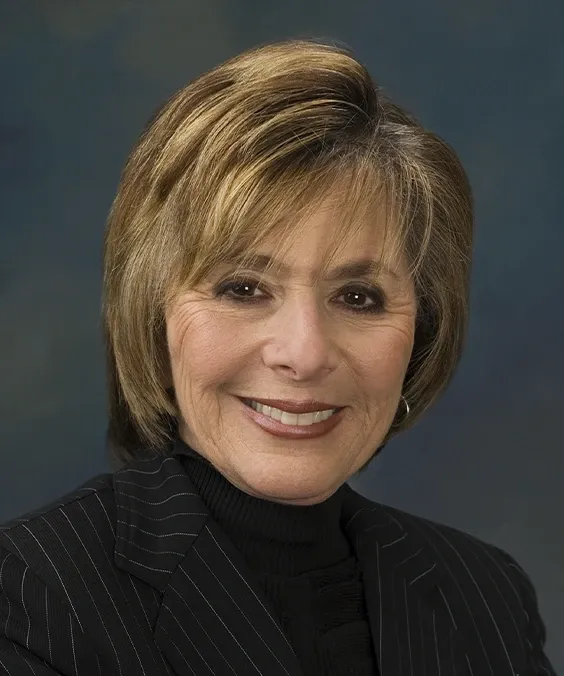
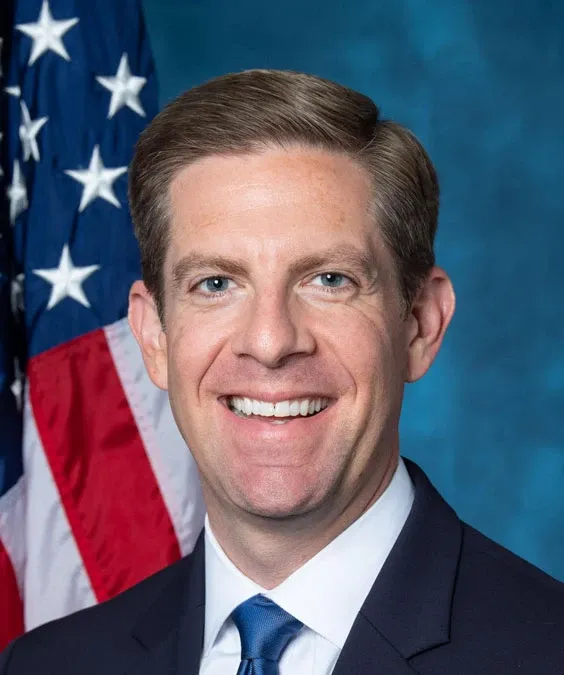
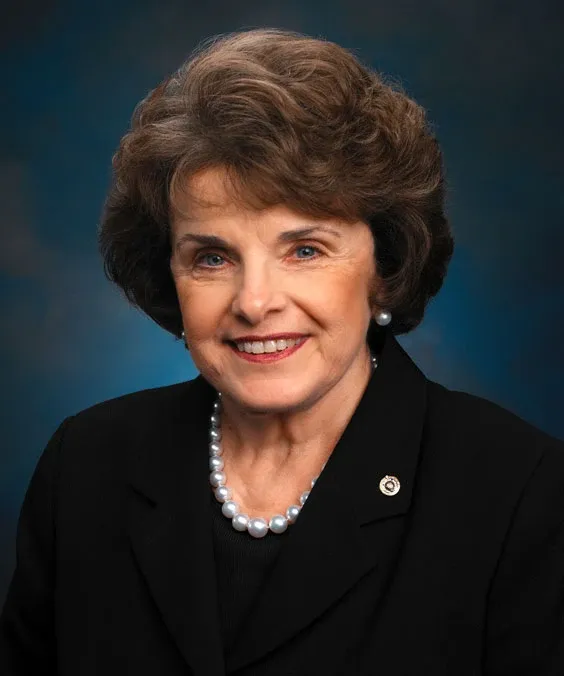
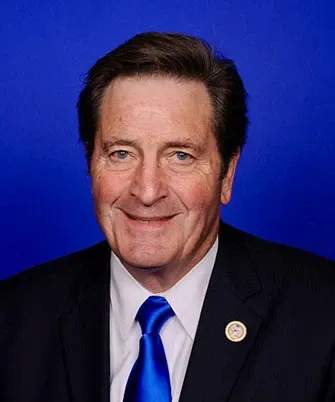
Politicians like Zoe Lofgren