May 1, 2017
It is appalling that non-local voices have drowned out those who treasure this land the most.
The Public Record
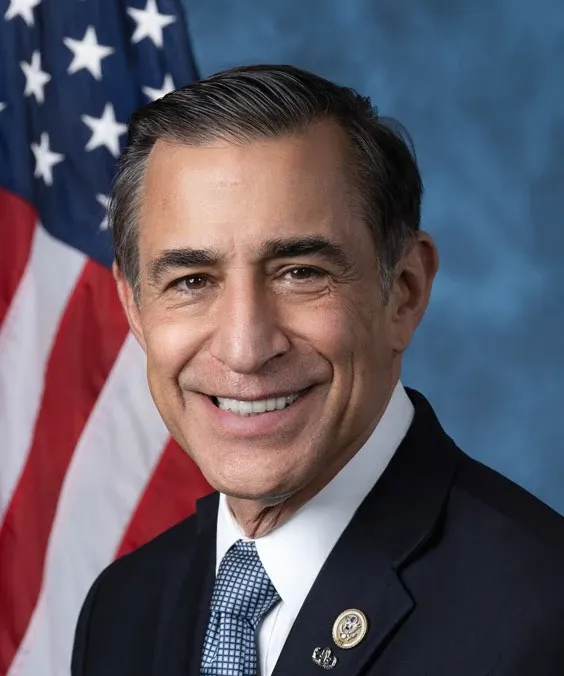
Thomas Miller McClintock is an American politician serving as the U.S. Representative for California's 5th congressional district since 2009. A member of the Republican Party, he has been an advocate for limited government and fiscal conservatism throughout his political career. McClintock has focused on issues such as tax reform, environmental policy, and government spending. He previously served in the California State Assembly and as a member of the California State Senate, where he gained recognition for his commitment to conservative principles.
It is appalling that non-local voices have drowned out those who treasure this land the most.
No president strayed further away from this intent than President Obama, who used the Act to lock up over 553.4 million acres of land and water.
The Antiquities Act provides the President the authority to designate national monuments on Federal land containing 'historic landmarks, historic and prehistoric structures, and other objects of historic or scientific interest.'
Which, I might add, is why Congress, and not the President, is given the authority under the Constitution to manage the Federal lands.
The purpose of the Act was to give presidents the ability to quickly protect archeological sites from looting.
I want to thank our witnesses for being here today. I think you brought this issue into very sharp focus for us.
I think the whole concept with the monuments, which I would not have nearly the problem with, is the size of the designations.
The previous administration prioritized legacy building over the lives and livelihoods of small, rural communities.
no one person should have the authority to lock up millions of acres of land with the stroke of a pen.
Traditional Utah Navajo people are not collecting $20 million from the Hewlett and Packard foundations and Leonardo DiCaprio to sponsor this toxic divide-and-conquer campaign.
In the last 8 years, the Obama administration used this Act to declare national monument status over 553.4 million acres of land and water.
The majority of Navajo and Ute residents in San Juan County overwhelmingly oppose the monument designation.
Politicians like Tom McClintock