Feb 14, 2011
To the extent that the countries in that region can work together and relate to each other instead of being suspicious of each other and creating the kind of dynamic that, frankly, has not been very helpful, I think it would be in the…
The Public Record
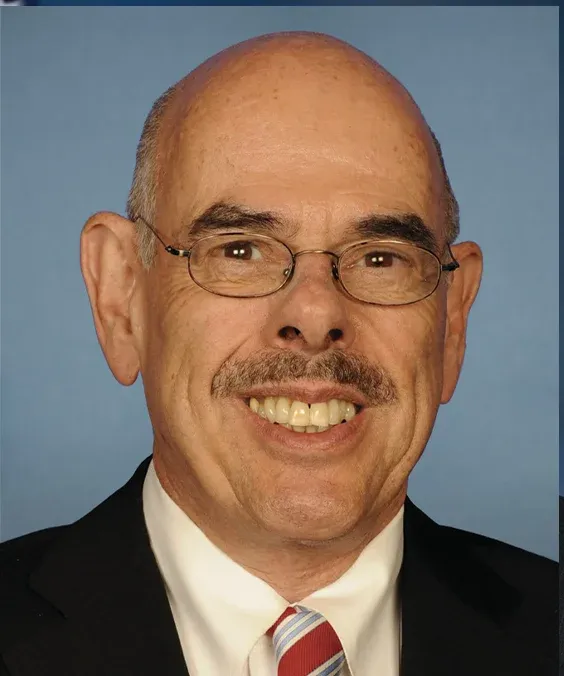
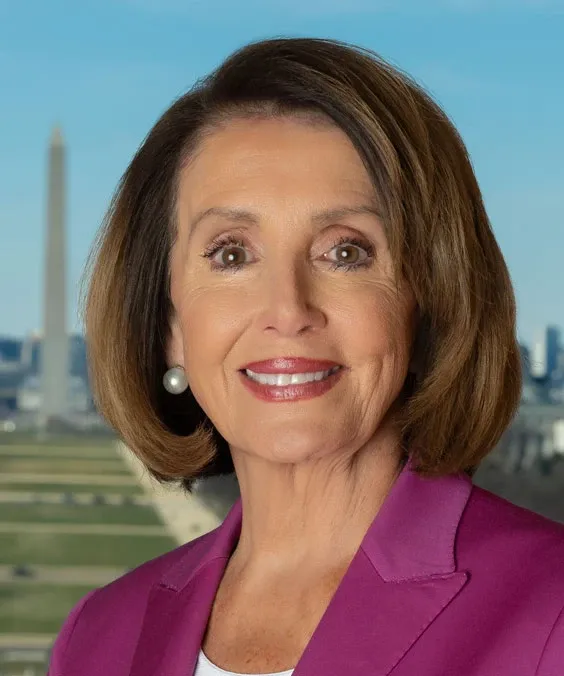
Leon Panetta is a prominent Democratic politician from California, known for his extensive career in public service. He served as the 23rd Secretary of Defense under President Barack Obama from 2011 to 2013, where he played a key role in military operations, including the Navy SEAL raid that killed Osama bin Laden. Prior to that, he was the Director of the Central Intelligence Agency (CIA) from 2009 to 2011, focusing on national security and intelligence reform. Panetta has also served in the U.S. House of Representatives, representing California's 16th congressional district from 1977 to 1993, where he was known for his work on budget and agriculture issues.
To the extent that the countries in that region can work together and relate to each other instead of being suspicious of each other and creating the kind of dynamic that, frankly, has not been very helpful, I think it would be in the…
The cost of America's national energy consumption, particularly oil, is too high, both in the billions of dollars the Nation sends overseas.
I take the Nation's defense very seriously, as I know all Members of Congress do.
The United States is currently protected against any attacks from North Korea or Iran if those countries were able to develop and deploy an effective ICBM capability today.
In general, the 'reset' has resulted in greater cooperation by the Russian Federation.
It is my intention to work with the military leadership to maintain a safe, secure, and effective nuclear deterrent.
It is DOD's policy to provide the best possible medical countermeasures, including prophylaxis and therapeutics, to protect our military and civilian personnel.
The Department recognizes the defense industrial base is more global, commercial, and financially complex than ever before.
I agree with the commitment of the President to try to take action to reduce the deficit and the number that he suggested.
Commencing the drawdown in July 2011 has the benefit of sending an important signal to the Afghan Government that international support is not open-ended.
I believe a strong, technologically vibrant, and financially successful defense industrial base is in the national interest.
I agree with that. I think it isn't. It is by no means the cause of the deficits, the huge deficits that we are incurring today.
The fundamental mission in Afghanistan is to provide sufficient stability so that country never again becomes a safe haven for al Qaeda or al Qaeda's militant allies.
I agree that the Guard and Reserve have made major contributions to the Department's efforts over the last 10 years.
The United Kingdom undertook a SDSR last year to tackle the very difficult problem of an austere fiscal environment and a defense program that was overspent, overstretched, and in need of new strategic direction.
I am committed to maintaining an open dialogue with industry and increasing the transparency within which we operate to the maximum extent permitted by law.
The Afghan Peace and Reintegration Program (APRP) is an essential component of our comprehensive, civil-military counterinsurgency campaign.
The Department will need to continue to look for ways to become more efficient to accomplish the core Defense mission.
I think if we lose in Afghanistan, we not only create another safe haven for al Qaeda and for their militant allies, but I think the world becomes a much more threatened place because of that loss, particularly in that region.
It is DOD policy to first rely on local education agencies to provide for the education of military children.
I fully support the President's commitment to close the detention facility at Guantanamo Bay because it is in our national security interest to do so.
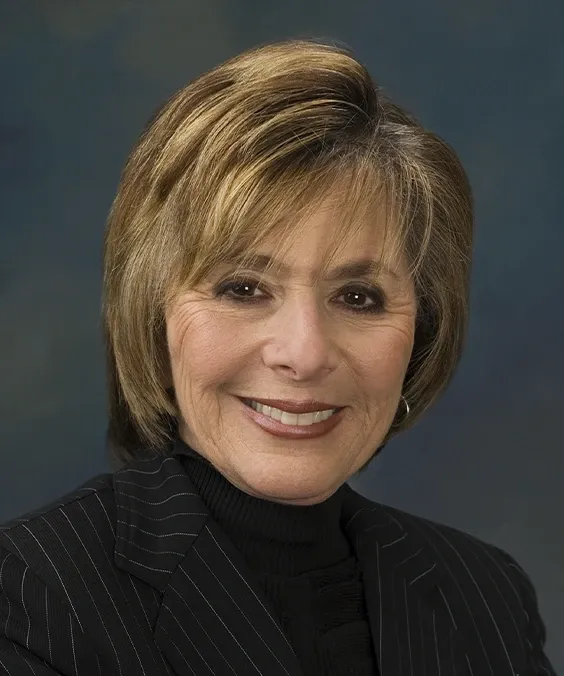
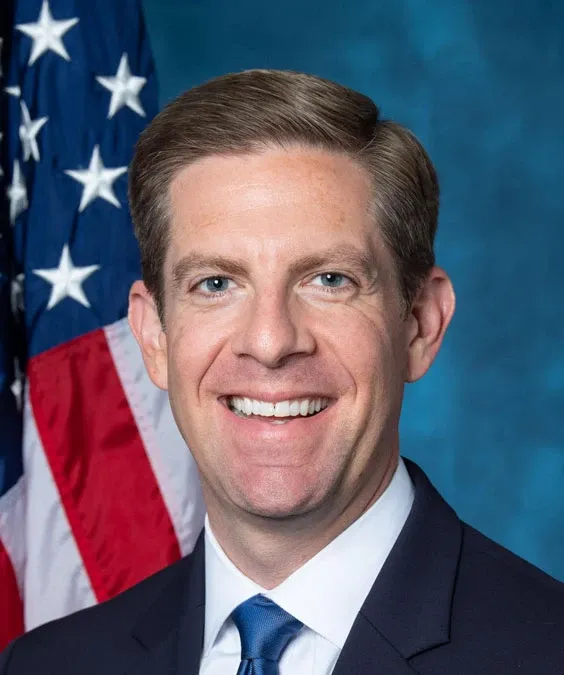
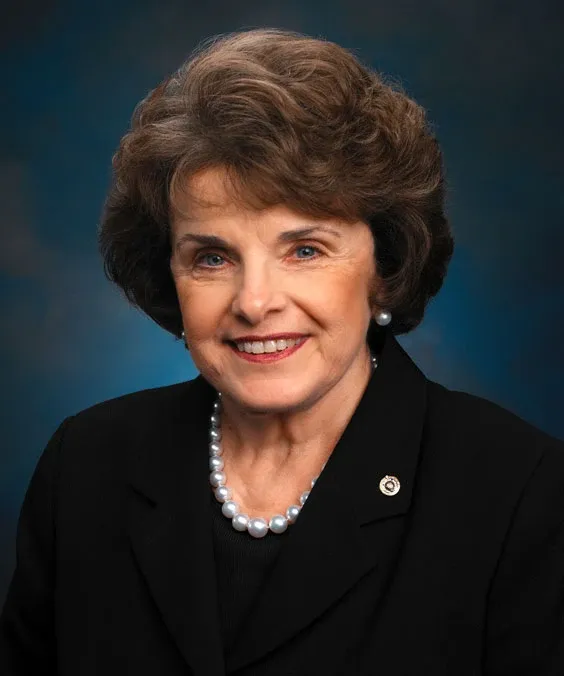
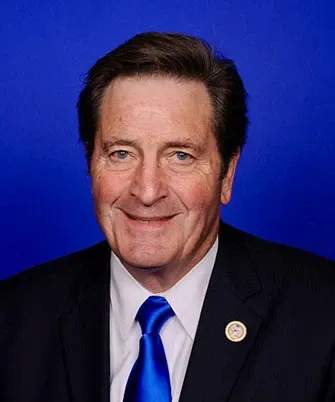
Politicians like Leon Panetta