Apr 13, 2016
As I noted in an earlier Congress, the 112th, when we last considered this bill, it is flawed and patently unconstitutional because it bans certain pre-viable abortions.
The Public Record
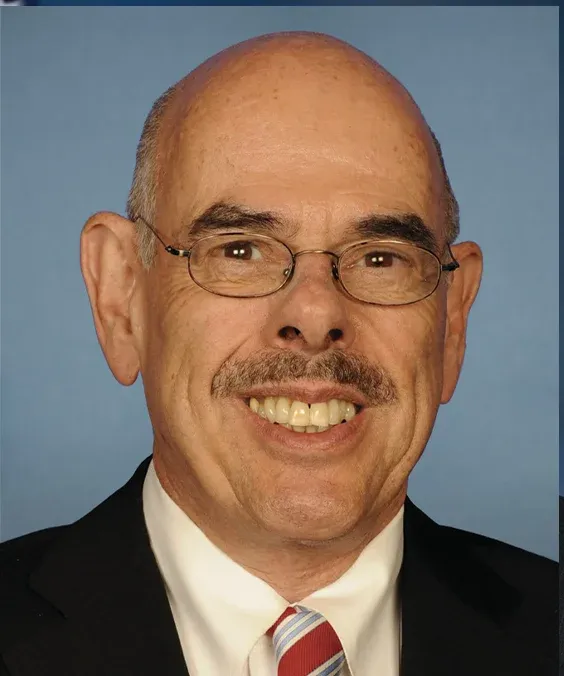
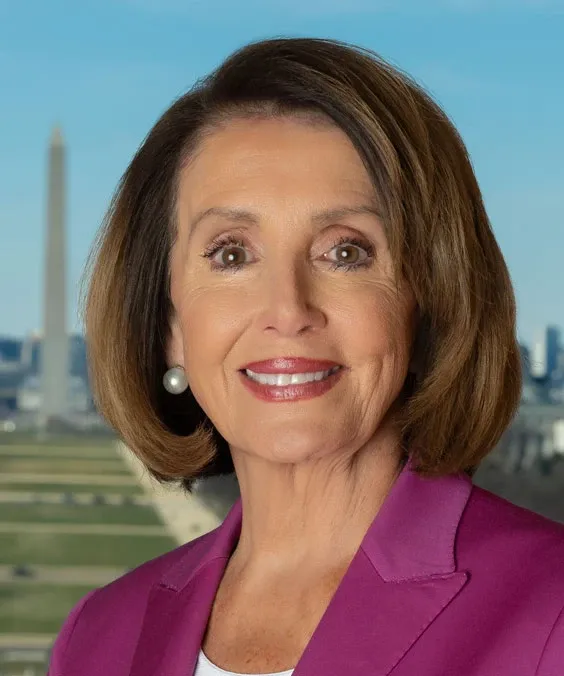
Judy Chu is an American politician serving as the U.S. Representative for California's 28th congressional district since 2009. A member of the Democratic Party, she is notable for being the first Chinese American woman elected to the United States Congress. Throughout her tenure, Chu has focused on issues such as healthcare, education, and civil rights, advocating for policies that support her constituents in California. She has been an outspoken advocate for survivors of military sexual trauma and has emphasized the importance of transparency in government operations.
As I noted in an earlier Congress, the 112th, when we last considered this bill, it is flawed and patently unconstitutional because it bans certain pre-viable abortions.
We understand why African American women risked their lives then, and why they seek safe legal abortions now. It has been a matter of survival.
It should come as no surprise that what I hear from people is that the Tax Code is too confusing.
I do believe, again, and I think Congress should and it has a responsibility to simplify the Tax Code.
Constant changes to the tax code makes compliance a year-round challenge for small employers.
This feels like it could be something that is your responsibility and that you could really work on.
Although women control over half of all the wealth in this country, the Diana Project found that the number of women in venture capital actually decreased from 10 percent to just 6 percent.
There is no doubt that women-owned small businesses are an undeniable force in today's economy.
I'm sure many of you have read the Diana Project report that Congresswoman Chu also mentioned.
I would like to thank Congress Member Knight for coming here and chairing this meeting.
Thank you for inviting me to speak on behalf of the National Women's Business Council today before the U.S. House of Representatives' Subcommittee on Economic Growth, Tax and Capital Access.
Historically females were 15 percent of the angel investors in the United States, but for 2014 it did increase to 20 percent.
Thank you very much, Congressman Knight, and Ranking Member Judy Chu, and distinguished members of the Subcommittee, for inviting me to speak on behalf of the National Women's Business Council.
If there is anybody that doubts women's intelligence and entrepreneurial knowledge, they would really have to come here and listen to you.
The reason I want to focus in on this with you since you are an expert in this is that the SBIC program...
A Kauffman Foundation study found that 72 percent of women entrepreneurs listed access to capital as their most critical challenge.
Do you think the private market will eventually fill that gap, or do we need the government to provide an incentive to invest in such firms?
In 2014, the SBIC program experienced an uptick in investment in women-led firms. The number of deals doubled, and the dollars invested grew nearly fivefold.
Before the Affordable Care Act was enacted, the rising cost of health care was one of the biggest worries for small companies and their employees.
Judge Hanen halted the expansion of DACA and the DAPA program because he believed that the original DACA applications were not being adjudicated on a case-by-case basis.
I support the President's proposal to and decision to expand DACA and to expand the program to DAPA.
Because of people like Andrea, it was even more heartbreaking when the courts prevented DAPA and the expanded DACA program to go into effect.
How can we ensure that we're not creating legal or technical backdoors to U.S. technology?
Politicians like Judy Chu