Dec 2, 2014
Well, I get to represent the University of California- Davis, and it is in my district, although the hospital and the research center are not. So I guess we share the same sadness.
The Public Record
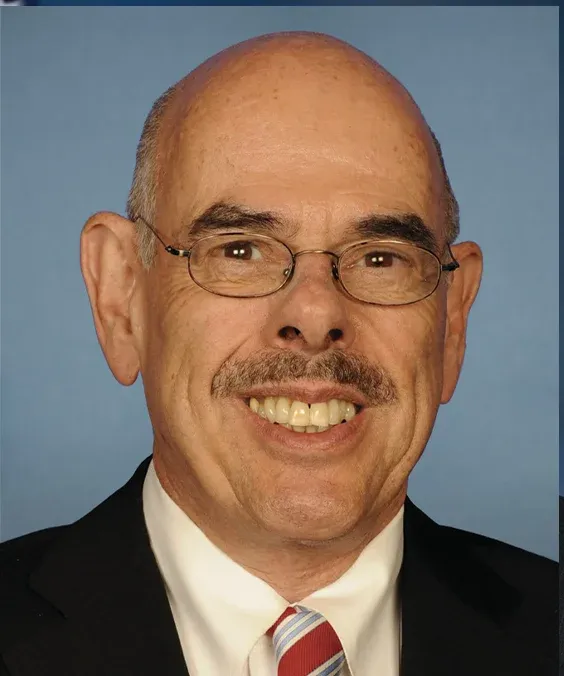
John Raymond Garamendi is an American politician serving as the U.S. Representative for California's 8th congressional district since January 3, 2013. A member of the Democratic Party, he has focused on issues such as healthcare, education, and environmental protection during his tenure in Congress. Garamendi has also been an advocate for veterans and military families, reflecting California's significant military presence.
Well, I get to represent the University of California- Davis, and it is in my district, although the hospital and the research center are not. So I guess we share the same sadness.
This member of this committee would love to see his proposed authorization to use military force as broad as he might like to do.
I appreciate the testimony of the witnesses and particularly the opportunity that presents all of America to rebuild our manufacturing base one ship at a time or maybe 100 ships at a time.
We need to be very, very careful and very watchful that we are not giving away--negotiating away a strategic American asset, LNG, and the shipbuilding that could go with that.
It seems to me that we could have a trade agreement with India that would say, 'Terrific. How about the second third being American ships?'
The next questions really deal with the capacity of the American shipbuilding industry to produce LNG tankers.
Mr. Chairman, thank you very much for your leadership in promoting the maritime industry. It is exceedingly important.
As I mentioned at the close of my opening statement, Mr. Hunter, you and I have introduced legislation, H.R. 5270, the Growing American Shipping Act, to promote the use of American-flag vessels for the looming export of liquefied natural…
I want to thank you, Chairman Hunter and Representative Garamendi, for your leadership, exploring ways to expand the U.S. fleet in all trades.
I am downright excited about this hearing. I am excited about the potential that we have to really strengthen our maritime industry and to build the American economy and provide a significant number of jobs.
Mr. Tonko and Ms. Kaptur, thank you so very much for joining us tonight. America will make it when we Make It In America. I yield back the balance of my time. ____________________
Can I give you another example? It was exciting--it was a really exciting day, Mr. Tonko.
If I might interrupt you, before you move to the research agenda, which is absolutely critical, today the President of the United States signed the revamping of the job training programs in America. This is a bipartisan effort. It passed…
Would you excuse me? Before you came to Congress, were you not responsible for the State of New York innovation, energy, and related issues?
I thank you, Ms. Kaptur, for bringing to our attention ways in which we can actually do something. It may seem small, but we get thousands and thousands of people coming through the gift shop here at the Visitor Center, can they find…
I am working towards a strategy on how we can find the money to build such an icebreaker.
So the answer is basically, yes, you would want to have scientific research capabilities on the icebreaker.
Money in the defense budget was used to build the Healy through the Navy, a process that we should take a look at.
We expect to spend, in the next 10 years, some $15 billion rebuilding the B61 bomb that nobody knows what to do with.
I remain disappointed that these planning initiatives have not yet taken root in the administration's budget.
As distant and remote as the Arctic and Antarctic regions may appear to most Americans, the reality is that they are two regions that are especially important to this Nation.
Politicians like John Garamendi