Feb 10, 2016
But at that point, and my time has expired, you would have to do some sort of isolation, I would think, from those, whether it be pork or livestock of any kind, so that they would not contaminate the other herds.
The Public Record
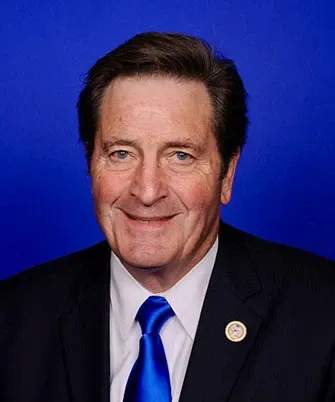
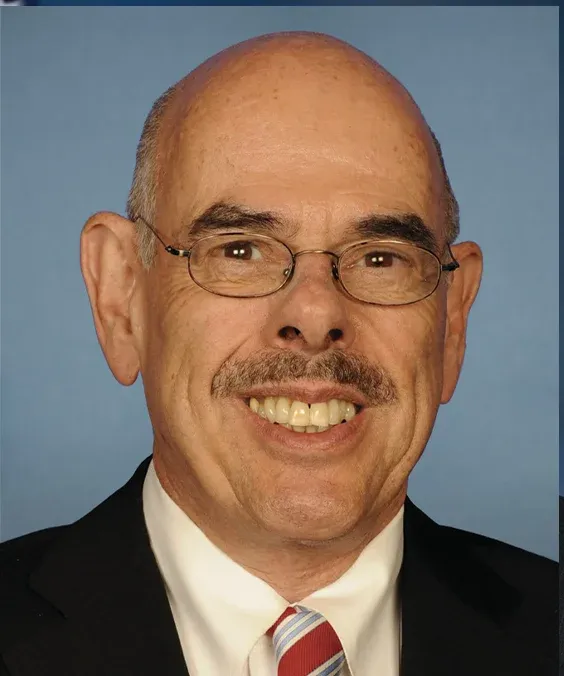
Jim Costa is a Democratic member of the United States House of Representatives, representing California's 16th congressional district since January 3, 2013. He has a long history of public service, having previously served in the California State Assembly and the California State Senate. Throughout his career, Costa has focused on issues such as agriculture, water resources, and education, reflecting the needs of his constituents in the Central Valley of California.
But at that point, and my time has expired, you would have to do some sort of isolation, I would think, from those, whether it be pork or livestock of any kind, so that they would not contaminate the other herds.
Well, Madam Chair, I think for the record we ought to get an estimate in terms of the economic impacts, so we would have a better knowledge of that.
I think all of us on this Committee believe truly that the production of food and fiber in America is an issue of national security; and therefore, we should treat it as such.
United States agriculture industry, particularly the livestock industry, has been fortunate as foot-and-mouth disease, otherwise referred to as FMD, has not been a threat since 1929.
The application of pesticides and herbicides is made with very cautious and cost-effective evaluations.
I am an almond grower myself. It does require bees, and we are sensitive to the pollination issues.
But, politically, the thing that we do hear is that we blame a certain region of the state...
I have offered an amendment that was introduced in Congressman Valadao's bill of last year, the same language included in the discussion draft in Senator Feinstein's bill, that would direct your agency to prepare a plan for the Central…
I am informed that--I don't know if it is correct--that this week is National Invasive Species Week.
I think it is, frankly, morally wrong, and it should be drawing national attention, similar to the water crisis in Flint, Michigan.
A choice has been made to take water away from communities that are in dire need, where we have had a zero water allocation.
We have the population of folks that have changed and altered the environment. That is the reality.
One thing every Member on this Committee can agree upon is that we want to make it more effective for people to be able to become self-sufficient and to feed their families.
Taking away food from people who need it is not a solution toward any improvements or efforts to deal with the SNAP Program in the next farm bill.
My district is struggling, and cuts to the program would be devastating and directly equate to taking food out of the mouths of children and families in my district.
I would reject a proposal in the next farm bill to dramatically cut the SNAP Program.
We are really talking about setting the groundwork here for the next farm bill, and how we try, hopefully, to come together in a bipartisan effort as we look at reauthorization of the SNAP Program and the WIC Program, and this testimony is…
A cut would be devastating, and directly equate to taking food out of the mouths of children and families in my district.
I am concerned that there is going to be a policy recommendation to leadership that in the next farm bill we dramatically cut SNAP.
The facts indicate that this was the responsibility of the Environmental Protection Agency.
These vouchers, sadly, corruption in that part of the world is the grease that makes that place work.
Because we all know we have a tremendous refugee problem in that part of the world, whether we are talking about Jordan or Turkey.
But what is the measure, the criteria? I mean, besides time, compared to----
Mr. Secretary, you mentioned that the President's budget for food aid also improves our ability to respond in these humanitarian situations.
Politicians like Jim Costa