Apr 16, 2024
I hope when the NTSB's final East Palestine report comes out in June that we will be able to quickly turn to this issue.
The Public Record
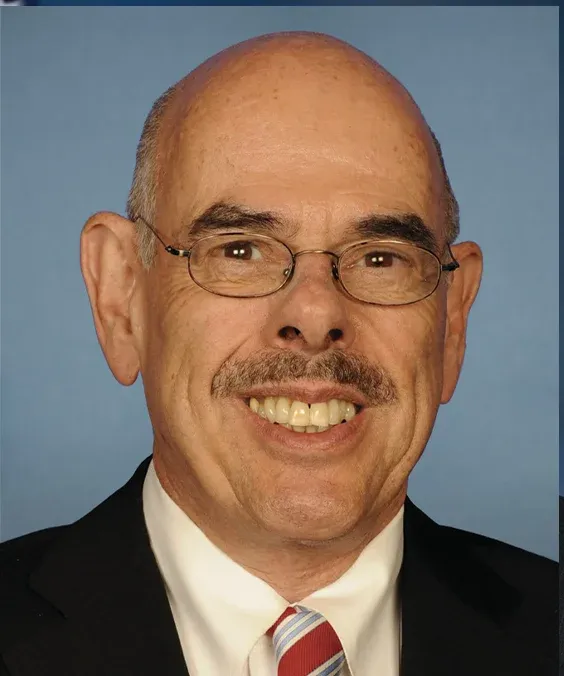
Jared William Huffman is an American politician serving as the U.S. Representative for California's 2nd congressional district since January 3, 2013. A member of the Democratic Party, Huffman has focused on issues such as environmental protection, healthcare, and education during his tenure in Congress. He has been an advocate for science-based policy and has emphasized the importance of government support for scientific research and public safety initiatives.
I hope when the NTSB's final East Palestine report comes out in June that we will be able to quickly turn to this issue.
I championed this investment long before arriving to Congress and appreciate the work my predecessor, former Transportation Appropriations Subcommittee Chair David Price, did to develop this intercity passenger rail route.
The Coastal Barrier Resources Act, or CBRA as we call it, is a great example of successful Federal land management. When President Reagan signed it in 1982, he explained that without this statute, the Federal Government would be…
I urge my colleagues to vote ``yes'' on the bill, and I yield back the balance of my time.
I thank the gentlewoman who is bringing the receipts today, and I appreciate this conversation. Mr. Speaker, I rise in strong opposition to H.R. 6009, the Republicans' polluters over people act 2.0. For anyone following the work of team…
California and other states shouldn't be forced into projects that they and BSEE have deemed counter to the best course of action for cleaning up expired infrastructure.
So, what happens when everything grinds to a halt is you can't proceed with decommissioning under this legislation, which is a problem.
Kelp is critical for healthy coastal communities, marine ecosystems, and addressing climate change threats like ocean acidification and coastal erosion on the West Coast.
When these companies enter leases and rights-of-way for oil drilling or pipelines, they commit to full decommissioning.
This continues conservation and restoration work in the Delaware River watershed. This was authorized in 2016.
The bill is like one of those choose-your-own-adventure books, where no matter which choice you make it takes you back to something other than full decommissioning.
I am very grateful to my colleagues on this Committee and others who have co-sponsored the bill.
Thank you, Mr. Chairman. Good morning, everyone. We have four bills before us today. Three of them I support.
We have more than 95 percent of our kelp forests that have been lost due to this perfect storm of bad conditions.
Yes, let's talk about that. I understand that NOAA is already not conducting surveys supporting states' Rigs-to-Reef Programs.
They are trying to repeal a very modest royalty reform and claw that back, and all that this reform would do is give taxpayers a fair return on the public resources on public land that this industry has been extracting on royalty rates…
I am all for it, and it makes an awful lot of sense. But that is probably another conversation. I am talking about the sea otter.
And you also spoke to the importance of these kelp forests to our local recreational economies and to fishermen.
it is my bill, the Help our Kelp Act, but it is very critical to help kelp ecosystem health and restoration on the West Coast.
We need that in order to fill knowledge gaps and manage our greatest freshwater resources.
If we are going to discuss domestic offshore energy reserves, we should also be talking about one of our largest, most untapped energy sources: offshore wind.
Politicians like Jared Huffman