Oct 2, 2013
this bill would basically mandate, or at least permit, salvage logging without any normal administrative procedures or judicial review, safeguards in every part of it.
The Public Record
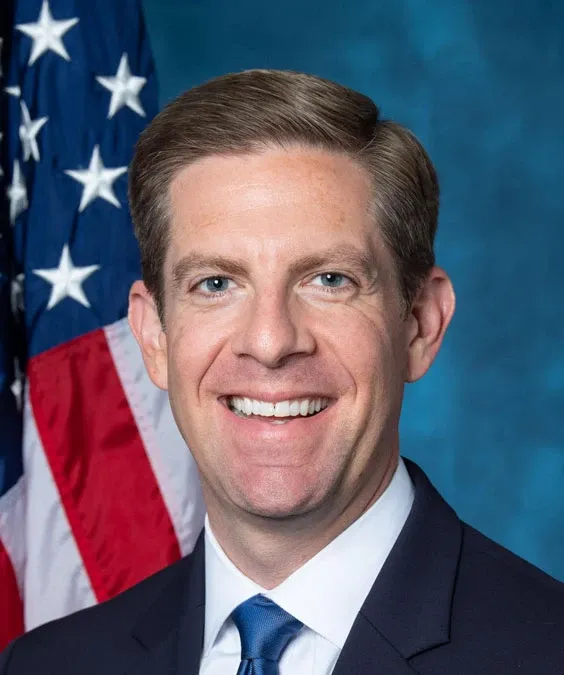
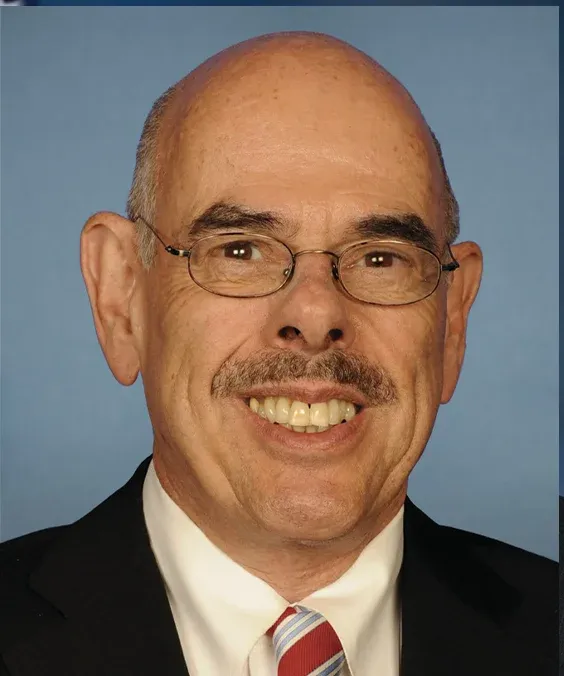
Jared William Huffman is an American politician serving as the U.S. Representative for California's 2nd congressional district since January 3, 2013. A member of the Democratic Party, Huffman has focused on issues such as environmental protection, healthcare, and education during his tenure in Congress. He has been an advocate for science-based policy and has emphasized the importance of government support for scientific research and public safety initiatives.
this bill would basically mandate, or at least permit, salvage logging without any normal administrative procedures or judicial review, safeguards in every part of it.
There is also a maxim about making sure that the cure is not worse than the disease, and proper procedures and safeguards are an important part of ensuring that.
How will we know that they will apply the kind of rigor that you just indicated if we are waiving all normal procedures and judicial review?
Again, if done incorrectly, if impacts are created, let us say water quality impacts for the city and county of San Francisco, who pays for that mitigation if there is no NEPA process, if there are no safeguards in place to address the…
This is an incredibly broad bill. It covers a broad area of land, a lot of acreage that includes forestland, National Park Service land.
Shutting down the Government has serious consequences and, like I mentioned at the beginning of my remarks, I cannot believe we are holding this hearing today.
This was cute, but not an effective way to end this shutdown. I voted against this piecemeal strategy.
We are seeing significant natural disasters this month, from the historic floods that are wreaking havoc across Colorado to the third-largest wildfire in California's history--the Rim fire in and around Yosemite National Park. These…
I believe you said that continuing the sequester... would eliminate 600,000 jobs and reduce GDP by as much as half a percent; is that correct?
I think those who are watching have had an interesting window into some of the forces that have taken us to the brink of a government shutdown.
It seems to me that putting a couple of wars on the national credit card, cutting taxes for the rich, and looking the other way while Wall Street crashes the economy had a lot to do with it.
It is ironic that we are here 2 days after the full Natural Resources Committee was considering a bill to name much of our oceans after Ronald Reagan.
I think it is important that no amount of stagecraft can sort of change the subject from the absolute environmental destruction that occurs when all streams are despoiled by the improper disposal of this waste.
The 1983 Reagan rule stated, and I quote, 'No land within 100 feet of a perennial stream or an intermittent stream shall be disturbed by surface mining activities.'
The 2008 Bush rule exempts waste disposal practices associated with mountain-top removal mining from the buffer zone requirement.
A host of studies that were published after the Bush rule show that mountaintop removal mines not only damaged the environment, but also caused cardiovascular disease, cancer, birth defects, and poor overall health.
The bill we are discussing here today would stop the Interior Department's Office of Surface Mining from adopting a new rule to protect the people of Appalachia from destructive mountaintop removal mining.
Doesn't this violate OSM's mandate under the Surface Mining Control and Reclamation Act, SMCRA, to set standards that are guided by science and based on best available technology?
Politicians like Jared Huffman