Jul 18, 2017
I hope that this time we can work together on the traditionally bipartisan issue of fisheries management and make real progress for our Nation's fishermen and coastal communities.
The Public Record
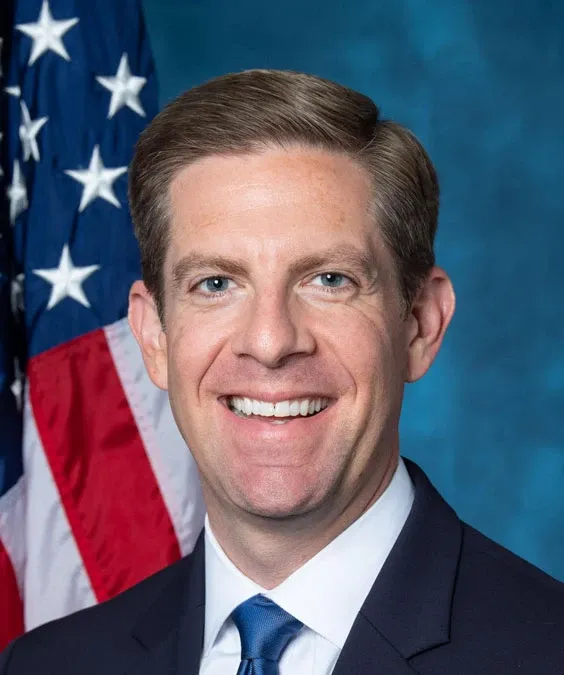
Jared William Huffman is an American politician serving as the U.S. Representative for California's 2nd congressional district since January 3, 2013. A member of the Democratic Party, Huffman has focused on issues such as environmental protection, healthcare, and education during his tenure in Congress. He has been an advocate for science-based policy and has emphasized the importance of government support for scientific research and public safety initiatives.
I hope that this time we can work together on the traditionally bipartisan issue of fisheries management and make real progress for our Nation's fishermen and coastal communities.
These accomplishments certainly didn't come easily. Our fishermen had to make sacrifices, but the long-term health of our fisheries and communities depend on making these tough conservation decisions.
What these bills ignore is that protecting fish and wildlife is not just a good idea in principle; it is good for the economy and it is good for people.
It has long been one of our most successful and broadly supported conservation laws, preventing the extinction of 99 percent of the species that have received its protection over its 44-year run.
Both sides of the aisle used to agree that protecting America's natural heritage for the enjoyment of this generation and for future generations was a worthy goal, and that relying on sound science to guide conservation policy was the gold…
The slate of bills before us today is a painful reminder of how far we have moved away from the bipartisan agreement that Democrats and Republicans used to share over a core set of values, the values of conservation and respect for…
If an ER doctor was able to save 99 percent of the critical patients that came through the door of that ER, and put 90 percent of them on a clear path to recovery, as the ESA has done with imperiled species, that doctor would receive…
While I'm fully aware that it isn't always easy or popular to implement fishing restrictions, management tools like annual catch limits and rebuilding plans are essential to ensure a future for our fisheries and fishing industry.
The bottom line is that the ESA has worked, and it has remained untouched for more than 40 years because decisions under the law have to be made based on data and evidence.
It ought to be crystal clear that the right thing to do, in terms of good public policy, can only come from working together.
Well, the Western Governors and governors all over this country have not exactly been bullish on the Trump-care legislation, and yet they were summarily ignored in this House.
I keep hearing again and again from my colleagues across the aisle, 'We don't want to see species go extinct, but,' and then begins the reasons why we have to do things to weaken the Endangered Species Act.
This decision, of course, over-rides the science-based Fishery Management Council process.
As we take stock of those, I think we have to conclude that the law is working.
I hope that this time we can actually work together on what has traditionally been a very bipartisan issue: fisheries management.
These communities are never going to get real relief until target stocks rebuild, and that can only happen with a strong Magnuson Act based on sound science and accountability.
I am fully aware that it is not always easy or popular to implement fishing restrictions.
It is my hope that Democrats and Republicans on this Committee can actually work together and stay focused on fisheries instead of using reauthorization of this important law as a vehicle for partisan, anti-conservation agendas.
These accomplishments certainly did not come easy, but our fishermen, after making sacrifices, are now benefiting from the long-term health of our fisheries.
Secretary Zinke's effort to give away even more public land to the oil industry under the guise of 'energy dominance' is eyebrow-raising.
Politicians like Jared Huffman