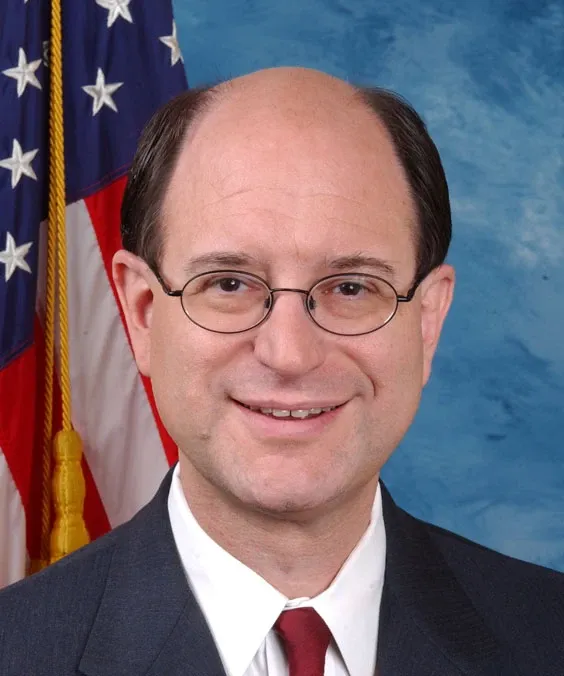
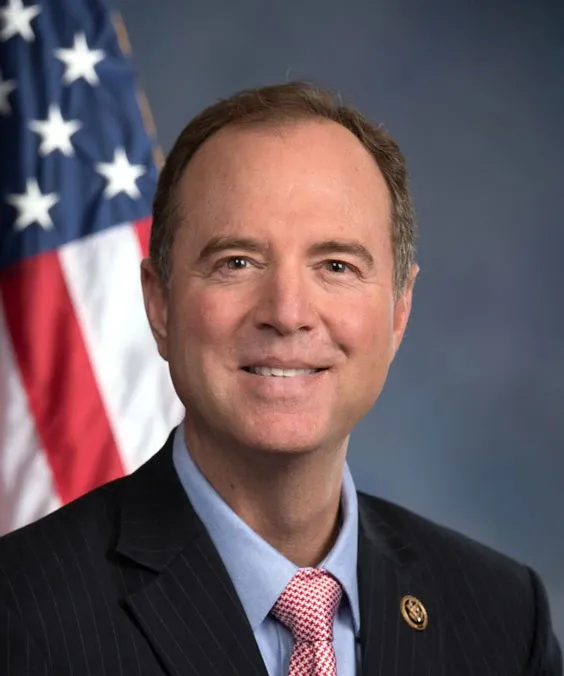
Henry Waxman
The Public Record
Henry Waxman is a former U.S. Representative from California, serving from 1975 to 2015. A member of the Democratic Party, he was known for his work on health care, environmental policy, and consumer protection. During his tenure, Waxman played a key role in the passage of the Affordable Care Act and was a prominent advocate for climate change legislation. He chaired the House Energy and Commerce Committee, where he focused on issues such as tobacco regulation and health care reform.
Aug 1, 2012
Mr. Chairman, might I remind you that today, more than 113 million Americans are living under extreme heat advisories.
Aug 1, 2012
Public lands are not solely for oil and gas production. Our public lands are held in trust for the American people, not the oil companies.
Aug 1, 2012
The results of the law are clear. Toy-related deaths have fallen, recalls due to lead have declined by 80 percent.
Aug 1, 2012
This law was a landmark piece of legislation. It fundamentally changed how we protect children from potentially dangerous products.
Aug 1, 2012
Thanks to this safety law, we now have strong standards for products used by infants and children.
Jul 23, 2012
It is a relief that the shutdown of this reactor went smoothly, the defects in the equipment were discovered before there was a major release of radiation into the atmosphere.
Jul 17, 2012
But I don't think we have got to push legislation to put a product back on the market in the face of such strong opposition by public health and physician organizations.
Jul 17, 2012
I take seriously when the health professionals take a point of view that something is not safe.
Jul 17, 2012
I would actually recommend... we have the ability for patients to get albuterol very easily.
Jul 17, 2012
Obviously, if you have two on each side, it doesn't produce a tie; it just means it is a balanced presentation and that is always a good idea so we hear both sides of the issue.
Jul 17, 2012
Mr. Murai, the California strawberry growers are by far the largest remaining users of methyl bromide in the United States.
Jul 17, 2012
I am concerned about the provision of the bill that would allow growers to obtain methyl bromide without a critical use exemption for so-called emergency events.
Jul 17, 2012
Let me ask, does anyone on the panel think that we should amend the Clean Air Act to allow sectors that have completely eliminated the use of methyl bromide to start using it again?
Jul 17, 2012
The whole idea of the protocol international agreement is that we are not going to give an advantage to other countries.
Jul 17, 2012
We should be celebrating and strengthening the Montreal Protocol, not considering legislation to weaken it.
Jul 17, 2012
In the 1970s, scientists warned that manmade chemicals were depleting the stratospheric ozone.
Jul 17, 2012
We must find a way to end the unsustainable system of cuts that loom over our physicians every year.
Jul 17, 2012
I would like to start by acknowledging and welcoming the bipartisan interest in transforming the Medicare physician payment system.
Jul 17, 2012
It certainly would send a signal to a lot of people who don't have health insurance that they are not going to have an opportunity to get health insurance.
Jul 17, 2012
Of course, the main thing that makes sense at the moment is to deal with this SGR problem because it is--nothing else seems to work unless we take care of SGR.
Jul 17, 2012
We want a health care system that works. We want some innovation, experimentation, but no one size fits all.
Politicians like Henry Waxman