Mar 5, 2014
I claim the time in opposition to the amendment. The Acting CHAIR (Mr. Hultgren). The gentleman from California is recognized for 5 minutes.
The Public Record
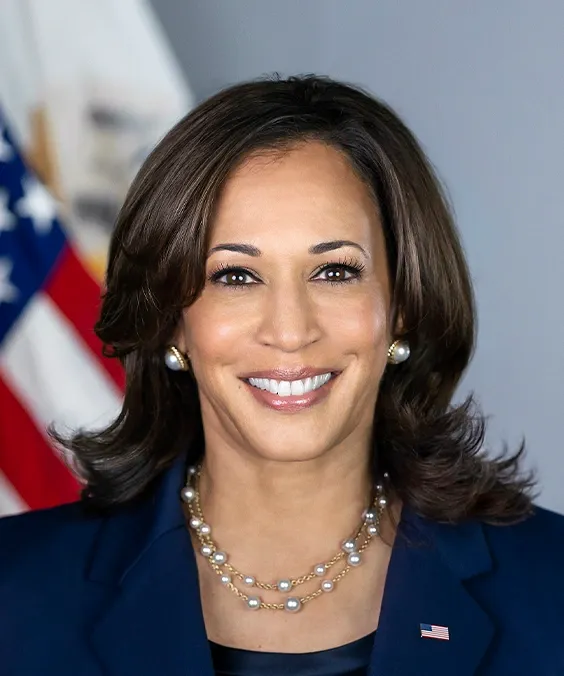
Henry Waxman is a former U.S. Representative from California, serving from 1975 to 2015. A member of the Democratic Party, he was known for his work on health care, environmental policy, and consumer protection. During his tenure, Waxman played a key role in the passage of the Affordable Care Act and was a prominent advocate for climate change legislation. He chaired the House Energy and Commerce Committee, where he focused on issues such as tobacco regulation and health care reform.
I claim the time in opposition to the amendment. The Acting CHAIR (Mr. Hultgren). The gentleman from California is recognized for 5 minutes.
May I inquire how much time we have remaining on each side? The Acting CHAIR. The gentleman from California has 4 minutes remaining, and the gentleman from Kentucky has 4 minutes remaining.
May I inquire how much time we have on both sides? The Acting CHAIR. The gentleman from California has 7 minutes remaining, and the gentleman from Kentucky has 12 minutes remaining.
We need to look at the infrastructure that is going to be coming out of the Pennsylvania/Ohio/West Virginia stuff that is going to be able to take care of the Midwest.
I still believe the subcommittee should hold a hearing to get the facts regarding flaring, and to develop real solutions to the problem.
The wasteful and unnecessary flaring of natural gas is a serious problem. It has no place in a modern energy infrastructure.
If it is profitable to capture the natural gas, rather than flare it, why aren't more companies doing it?
The flaring of a valuable and finite natural resource is nothing less than a market failure.
We need to find solutions to stop this dangerous pollution and put this gas to productive use.
Far too often methane, a potent greenhouse gas, leaks into the air during the production, processing, and distribution of oil and natural gas.
We need to prepare our infrastructure to withstand climate related disruption.
Every responsible business executive in the country knows that there will be no certainty in energy policy until we address climate change.
We have a rapidly diminishing window to act to reduce our carbon pollution before the catastrophic impacts of climate change are irreversible.
A modern 21st energy infrastructure isn't modern at all unless it takes climate change into account.
The Administration's proposed Part D regulation would make a number of changes to the program to strengthen program management and integrity.
A lot has been achieved since passage of the Affordable Care Act to strengthen Medicare.
We know from past experience that without strong oversight from CMS, contractors have not always performed adequately and have the potential to abuse the public trust.
For more than four decades, Medicare has been a critical program for ensuring the health and also the financial well-being of seniors and people with disabilities.
Today's hearing continues this Subcommittee's discussion on the important work of the Federal Trade Commission.
Whatever the flaws in the CFATS program, the answer is not to let the program sunset. This state of affairs leave dangerous chemical facilities unregulated and vulnerable to attack.
The increased penalties in FDASIA, Congressman Waxman, that you mentioned, are useful but there is still a major gap.
Congress has made a number of changes to FDA law in the last year and a half that should help fight counterfeit drugs.
I am pleased that we are having an important oversight hearing where 20 minutes so far into the opening statements, no one has blamed the problem on President Obama. This is rare for this committee.
This committee needs to stop ignoring reality and start finding solutions to climate change.
Politicians like Henry Waxman