Mar 4, 2014
When there is competition, then the logical thing to do is to go for a fixed price, because otherwise if you compete it and it's cost-plus, then it gives the companies the opportunity to raise their prices effectively.
The Public Record
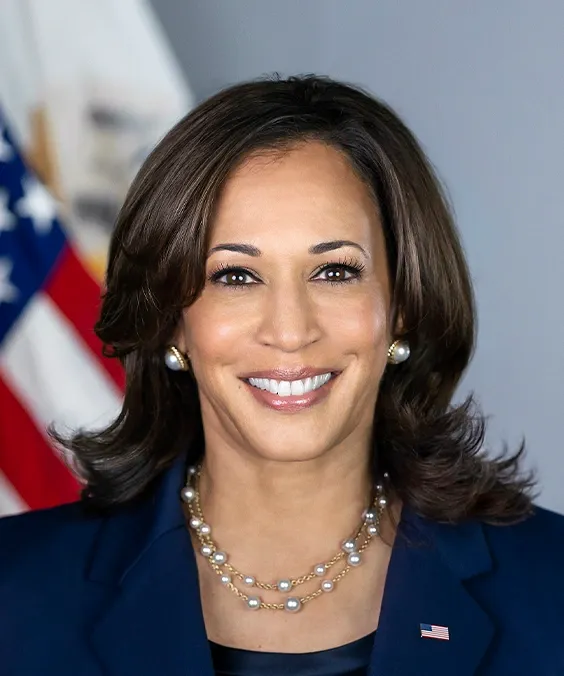
Dianne Emiel Feinstein was an American politician who served as a United States Senator from California from 1992 until her death in 2023. She was the first woman to hold this position, breaking significant barriers in a predominantly male political landscape. Throughout her tenure, Feinstein was known for her advocacy on issues such as gun control, environmental protection, and intelligence oversight, playing a pivotal role in shaping legislation in these areas.
When there is competition, then the logical thing to do is to go for a fixed price, because otherwise if you compete it and it's cost-plus, then it gives the companies the opportunity to raise their prices effectively.
I would think that would be your answer. And I would think that that would be satisfactory, because, after all, competition is the American basic demand for the accordance of a contract.
So you believe that you will be able to compete for 14 EELV launches by fiscal year 2015?
Now, according to the Kendall memo that I just mentioned, new entrants should be able to begin competing for up to 14 EELV launches by fiscal year 2015.
The memo states, and let me read it. 'I direct the Air Force to aggressively introduce a competitive procurement environment in the EELV program by competing up to 14 cores with initial contract awards as early as 2015 for missions that…
I don't believe that the promised savings of eliminating competition have materialized. The cost to the Government, to the taxpayer really has skyrocketed.
The U.S. has got to deploy its resources better in terms of intelligence.
Maria Contreras-Sweet is universally respected and admired. She has my strongest recommendation to this Committee.
In his February 7, 2014 reply letter to Senator Feinstein and others, NERC CEO Gerry Cauley highlighted the GridEx II grid security conference held in November 2013.
Now, can I assume that all 1.1 million were affected and notified, so somewhere in my record I should be able to find a record of having been notified?
As far as I am concerned, any bill that is forthcoming from this institution should provide notification of customers that their data may have been breached so they can protect themselves.
Dianne Feinstein, a U.S. Senator from the State of California, February 4, 2014, statement for the record.
I believe that if somebody has an account or uses their credit at your institution and their data is breached, they should be notified so they can protect themselves.
I introduced the first data breach notification bill in 2003, and I could not get any cooperation in that data breach.
Just as we have done in the past, our job is to foster the growth of this new industry while managing effectively its risks.
I think the technology has great potential and I think we really need to make sure as a first step that America's legitimate concerns about privacy and safety are addressed.
I believe civilian drone technology, much of which has been developed in California, has great potential for both beneficial uses and for job creation.
The effectiveness of bulk telephony metadata collection cannot be seriously disputed.
The review group reaffirmed that the program should remain a tool of our Government in the fight against terrorism.
The Intelligence Committee had the opportunity of talking to the professorial element of this Committee last week
This was used after the fact in the Boston bombing, but here is the difference: The Boston--and they used emergency powers, and they were able to get information quickly.
Politicians like Dianne Feinstein