May 18, 2009
Most entities will eventually work in their own interest. Patriotic speeches and appeals to patriotism only go so far.
The Public Record
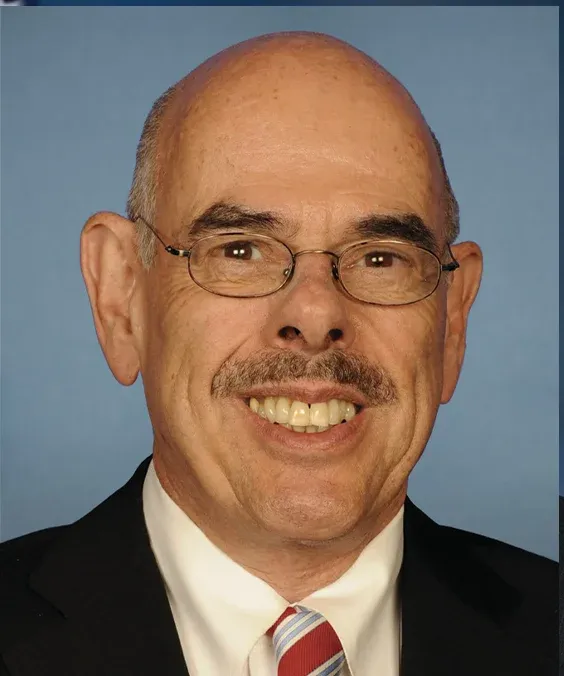
Brad Sherman is an American politician serving as a member of the United States House of Representatives from California's 30th congressional district since 1997. A member of the Democratic Party, Sherman has focused on various issues including financial regulation, foreign policy, and technology. He has been an advocate for consumer protection and has worked on legislation related to economic stability and national security. Throughout his tenure, he has participated in numerous congressional committees and has been involved in significant legislative efforts.
Most entities will eventually work in their own interest. Patriotic speeches and appeals to patriotism only go so far.
We here in Congress are in Costco every day, at least one of us. We talk to real consumers.
It is absurd on its face that our economic policy would be determined by an entity that has no economists on staff.
I never thought I would do in Congress is to disagree with someone who used the phrase, 'Genius of the Sherman Act.'
In other words you won't commit to telling the American people how many folks at Goldman-Sachs or AIG are going to make a million dollars this year?
When they make money, we -- have the profit goes to Wall Street. When they lose money, 94 percent of the loss goes to the taxpayer.
When they make money, we -- half the profit goes to Wall Street. When they lose money 94 percent of the loss goes to the taxpayer.
In other words you won't commit to telling the American people how many folks at Goldman-Sachs or AIG are going to make a million dollars this year?
I think we need to divorce the rescue authority from the regulatory authority.
These companies are not too big to fail. It is said that they are too interconnected to fail.
What we ought to have done, what we can still do, is to put into receivership those financial institutions that are insolvent...
The intellectual property industry is what keeps Los Angeles afloat and functioning.
I think one of the key problems that got us into this mess is that companies issued insurance on portfolio's without insurance regulation or insurance reserves.
I am concerned that we are seeing taxpayer money transferred to Wall Street based on the political power of the entities involved.
Systemic risk regulator--everybody knows that we need one, but nobody knows what it is.
Because the testimony here from opponents to the merger focused on the primary ticketing business, and allowing the number two primary ticketing company to do business in the United States freely would, I think, open competition in that…
Politicians like Brad Sherman